
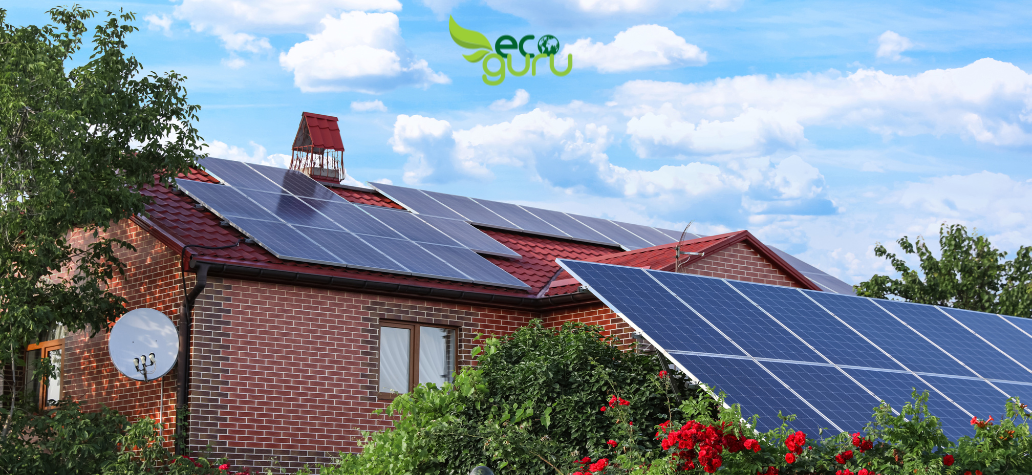

Going Solar: A Guide to Residential Solar Installation
Welcome to the world of residential solar installation, a green and cost-effective solution for powering your home. In recent years, India has witnessed a remarkable surge in the adoption of solar energy. As our nation strives for a sustainable future, embracing solar power is not just a trend; it’s a smart and environmentally conscious choice.
Solar energy is harnessed from the sun’s abundant and renewable rays, providing an eco-friendly alternative to conventional electricity sources. In this guide, we will take you through the process of residential solar installation and help you understand why going solar in India is a step in the right direction.
Why Go Solar?
Energy Cost Savings

One of the most compelling reasons to go solar is the significant reduction in energy costs. Traditional electricity bills can put a strain on your budget, especially as energy prices continue to rise. By harnessing the power of the sun, you can generate your electricity and reduce, or even eliminate, your monthly electricity bills.
Solar panels on your rooftop capture sunlight and convert it into electricity, which can be used to power your home’s appliances, lighting, and heating systems. Any excess energy generated can be stored or sent back to the grid, earning you credits or revenue.
Environmental Benefits
India faces environmental challenges, including air pollution and greenhouse gas emissions. Solar energy is a clean and sustainable solution that significantly reduces your carbon footprint. By choosing solar power, you actively contribute to reducing harmful emissions and protecting our planet.
Solar energy systems produce no emissions or pollutants during operation, making them a key player in the fight against climate change. With solar panels on your roof, you’ll be part of the green energy revolution and help create a cleaner, healthier environment for future generations.
Energy Independence
Another crucial benefit of going solar is energy independence. Relying on traditional energy sources leaves homeowners vulnerable to price fluctuations and supply disruptions. Solar power, on the other hand, provides a degree of self-sufficiency.
With your solar installation, you become less dependent on external energy providers and the grid. This means you have a more stable and secure source of energy, especially during power outages or energy shortages. Your home can continue to function even when the grid is down, ensuring your family’s comfort and safety.
By choosing solar energy for your residential needs, you not only reduce costs and environmental impact but also gain greater control and reliability over your energy supply.
Assessing Your Home’s Solar Potential

Before you embark on your residential solar installation journey, it’s essential to assess your home’s solar potential. Not every home is created equal when it comes to harnessing the power of the sun. Here’s how you can determine if your home is suitable for solar panels:
Location Matters
The first consideration is your geographical location in India. Solar panels work best in regions with abundant sunlight. States like Rajasthan, Gujarat, and Andhra Pradesh, known for their ample sunshine, are ideal for solar installations. However, even if you reside in areas with less sunlight, solar panels can still be a viable option, albeit with potentially longer payback periods.
Roof Orientation
The orientation of your roof plays a crucial role in solar panel efficiency. South-facing roofs receive the most direct sunlight throughout the day, making them the optimal choice for solar installations. However, east and west-facing roofs can also work well, although they may produce slightly less energy.
Shading Concerns
Take note of any obstructions that may cast shadows on your roof during the day, such as trees, neighboring buildings, or chimneys. Even partial shading can significantly reduce the efficiency of your solar panels. If shading is a concern, you may need to consider trimming trees or repositioning panels to maximize sun exposure.
Remember, a solar installation expert can conduct a comprehensive assessment to determine your home’s solar potential accurately. They will evaluate your location, roof orientation, shading issues, and other factors to provide a precise analysis.
Types of Solar Systems
When it comes to residential solar systems, you have several options to choose from. Each type of system caters to different needs and preferences:
Grid-Tied Systems
Grid-tied solar systems are the most common choice for residential installations. These systems are connected to the local electrical grid, allowing you to use solar-generated electricity while also drawing power from the grid when needed. Excess energy can be sold back to the grid, earning you credits or income.
Off-Grid Systems
Off-grid solar systems are designed for remote locations or areas with unreliable grid access. They are entirely self-sufficient, relying solely on solar panels, battery storage, and backup generators (if necessary) to meet your energy needs. Off-grid systems offer complete energy independence but require careful planning and sufficient storage capacity.
Hybrid Systems
Hybrid solar systems combine the features of both grid-tied and off-grid systems. They are connected to the grid but also incorporate battery storage to store excess energy for use during power outages or when the sun isn’t shining. Hybrid systems provide a balance between self-sufficiency and grid connectivity.
Choosing the right type of solar system depends on your specific requirements, energy goals, and budget. Consulting with a solar expert can help you determine which system is the best fit for your residential solar installation.
Choosing the Right Solar Panels

When it comes to residential solar installation, selecting the right solar panels is a crucial decision. With several types of solar panels available in the market, it’s important to make an informed choice that aligns with your energy needs and budget. Here’s what you should consider:
Types of Solar Panels
Monocrystalline: Monocrystalline solar panels are known for their high efficiency and sleek appearance. They are made from a single crystal structure, making them more space-efficient and effective in low-light conditions.
Polycrystalline: Polycrystalline panels are cost-effective and slightly less efficient than monocrystalline ones. They are recognizable by their blue hue and are a good choice for those on a budget.
Thin-Film: Thin-film solar panels are lightweight and flexible, making them suitable for unconventional installations. They are less efficient but can be a viable option for specific applications.
Efficiency Ratings
Efficiency ratings indicate how well a solar panel converts sunlight into electricity. Higher-efficiency panels generate more power from the same amount of sunlight. Consider the efficiency ratings when choosing your panels, but also weigh them against other factors like cost.
Warranty Considerations
Check the warranty offered by the solar panel manufacturer. Most panels come with a warranty ranging from 20 to 25 years, guaranteeing their performance over that period. Pay attention to the degradation rate, which indicates how much efficiency the panel is expected to lose each year.
Cost vs. Quality
While cost is a significant factor, it’s important not to compromise on quality. Investing in high-quality solar panels may have a higher upfront cost but can result in greater energy generation and durability in the long run. Consider your budget and balance it with the expected performance and lifespan of the panels.
Finding a Solar Installer
Selecting a reputable solar installation company is essential to ensure a successful residential solar project. Here are some tips to help you find the right installer:
Checking Credentials and Reviews
Licenses and Certifications: Ensure the installer is licensed and has the necessary certifications to perform solar installations in your region.
References and Reviews: Ask for references and read online reviews from previous customers. This can give you insight into the installer’s reputation and the quality of their work.
Experience: Look for an installer with a proven track record in residential solar installations. Experience matters when it comes to navigating the complexities of solar projects.
Getting Multiple Quotes
Don’t settle for the first quote you receive. Obtain multiple quotes from different solar installation companies. This allows you to compare costs, equipment, warranties, and installation timelines. It’s a crucial step in ensuring you get the best value for your investment.
By carefully considering your solar panel options and choosing a reputable installer, you can make informed decisions that lead to a successful residential solar installation.
Financing Your Solar Installation

Once you’ve assessed your home’s solar potential and selected the right solar panels, the next step is to consider how to finance your residential solar installation. There are several options available to help you make this green investment more affordable:
Government Incentives and Subsidies
In India, various government incentives and subsidies are aimed at promoting the adoption of solar power. These incentives can significantly reduce the upfront costs of your solar installation. Some popular schemes include the Solar Photovoltaic (PV) Program and the Renewable Purchase Obligation (RPO). Be sure to check with your state’s specific incentives and policies, as they may vary.
Solar Loans and Leasing
If you’re looking to spread out the cost of your solar installation, solar loans and leasing options can be an attractive solution. Solar loans allow you to finance your solar project with affordable monthly payments, often with low interest rates. On the other hand, solar leasing involves renting solar equipment, and in return, you pay a fixed monthly fee. These financing options provide flexibility and make going solar more accessible for many homeowners.
The Solar Installation Process
Now that you’ve taken the necessary steps to prepare for your residential solar installation, let’s dive into the installation process. Here’s a step-by-step guide to help you understand what to expect:
Site Assessment and Design
The first step is a thorough site assessment. A solar expert will visit your home to evaluate factors like sun exposure, roof condition, and electrical requirements. Based on this assessment, a customized solar system design will be created to maximize energy generation.
Permits and Paperwork
Before installation can begin, you’ll need to secure the necessary permits and complete the required paperwork. Your solar installer will typically handle this part of the process, ensuring compliance with local regulations and utility requirements.
Installation and Connection
Once the design is finalized and permits are in place, the installation team will start mounting the solar panels on your roof. They’ll also install the inverter and wiring to connect the panels to your electrical system. After the physical installation, a final inspection will be conducted to ensure everything is up to code.
Once your system is approved, it will be connected to the grid or your battery storage system, if applicable. At this point, your home will start generating clean, renewable energy from the sun.
Maintenance and Monitoring
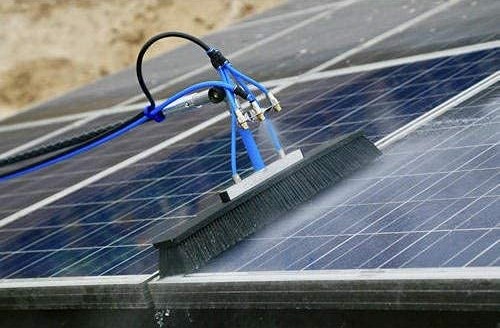
Congratulations on your successful residential solar installation! To ensure your solar system continues to perform optimally, it’s essential to understand the importance of regular maintenance and monitoring:
The Importance of Regular Maintenance
Regular maintenance is key to maximizing the lifespan and efficiency of your solar panels. While solar systems are known for their durability and minimal maintenance requirements, a little care goes a long way. Here’s why it’s crucial:
Maximizing Energy Production: Regular cleaning of solar panels ensures they receive maximum sunlight, leading to higher energy production.
Detecting Issues Early: Routine inspections can identify and address any issues or malfunctions promptly, preventing more extensive and costly problems down the line.
Warranty Protection: Keeping up with maintenance requirements may be necessary to uphold your solar panel manufacturer’s warranty.
Tips for Monitoring Your Solar System’s Performance
Monitoring your solar system’s performance allows you to stay informed about its efficiency and energy generation. Here are some tips for effective monitoring:
Online Monitoring Tools: Many solar systems come with online monitoring tools that provide real-time data on energy production. Use these tools to track daily, weekly, and monthly performance.
Check Your Utility Bills: Compare your utility bills before and after the installation of your solar panels to ensure you’re receiving the expected energy savings.
Visual Inspection: Periodically inspect your solar panels for any visible damage, dirt, or debris. Clean the panels as needed, and if you notice any issues, contact your installer for assistance.
By staying proactive in your solar system’s maintenance and monitoring, you can enjoy its benefits for years to come.
FAQs (Frequently Asked Questions)

How much does a solar installation cost?
The cost of a solar installation can vary widely based on factors like the size of your system, location, and equipment quality. On average, residential solar installations in India can range from ₹1,00,000 to ₹5,00,000 or more. Remember that government incentives and subsidies can help offset these costs.
What is the lifespan of solar panels?
Solar panels are designed to last for many years. Most panels come with warranties of 20 to 25 years, but they can continue to produce energy well beyond that period. In fact, many panels still operate at 80% efficiency or more after 25 years.
Can I sell excess energy back to the grid?
Yes, in many parts of India, you can sell excess energy back to the grid through a process known as net metering. Excess energy generated during the day is fed into the grid, and you receive credits for it. These credits can offset your energy bills during periods of low solar production, such as at night.
Conclusion
As we conclude, we encourage you to take the first step toward a greener, more sustainable future. By going solar, you not only reduce your energy bills but also contribute to a cleaner environment and gain energy independence. Don’t hesitate—reach out to a reputable solar installer to embark on your journey towards a brighter, more sustainable tomorrow.
This conclusion summarizes the key points of the guide and encourages readers to take action by considering residential solar installation. Relevant keywords are naturally integrated into the content to provide a comprehensive and engaging conclusion.
Check out other best solar products to use
- Best Solar Powered Products For Home In India
- Best Solar Powered Outdoor Lights In India
- Best Solar Water Heaters In India
- Best Portable Solar Charger And Power Bank
Also, check out this list of other eco-friendly products, that you can embrace to lead an eco-friendly lifestyle.


Comments
Comments are disabled for this post