
 in Solar Energy
Unleashing Solar Power: Why Solar Energy Matters
In recent years, solar energy has emerged as a transformative force, heralding a new era of clean and sustainable power. Its growing importance cannot be overstated, as it represents a pivotal shift away from fossil fuels towards a greener and more environmentally responsible future.
The promise of solar energy lies in its ability to tap into one of the Earth’s most abundant and reliable resources—the sun. With each passing day, the sun bathes our planet in an abundance of energy, and harnessing this power has become both a global necessity and an extraordinary opportunity.
As we delve deeper into understanding why solar energy matters, we’ll explore how solar energy works, its remarkable potential in India, the multitude of advantages it offers, and the solutions to the challenges it presents. Get ready to embark on a journey that not only unveils the science behind solar power but also demonstrates why it matters now more than ever.
Harnessing the Power of the Sun
Solar panels are the remarkable instruments that enable us to capture the boundless energy of the sun and convert it into usable electricity. Understanding how these panels work is the first step towards appreciating the marvel of solar energy.
Explaining How Solar Panels Work
At the heart of a solar panel are photovoltaic cells, often referred to as solar cells. These cells are made from semiconductor materials, typically silicon, which possess a unique property: they can absorb photons of sunlight and release electrons. This process is called the photovoltaic effect.
When sunlight strikes a solar panel, it excites the electrons within the cells, causing them to flow as an electric current. This flow of electrons is then captured by the panel’s conductive metal plates and transformed into usable electrical power. It’s a clean and silent process that generates electricity without the need for moving parts or the production of harmful emissions.
The electricity produced by solar panels can either be used immediately to power your home or business or stored in batteries for later use. Alternatively, excess electricity can be fed back into the grid, allowing you to earn credits or compensation for your contribution to the local power supply.
The Role of Sunlight in Generating Electricity
Solar panels are not just passive collectors of sunlight; they are incredibly efficient at converting this abundant resource into electricity. The amount of electricity generated depends on several factors, including the intensity and duration of sunlight, the angle and orientation of the panels, and the panel’s efficiency.
Solar Energy in India
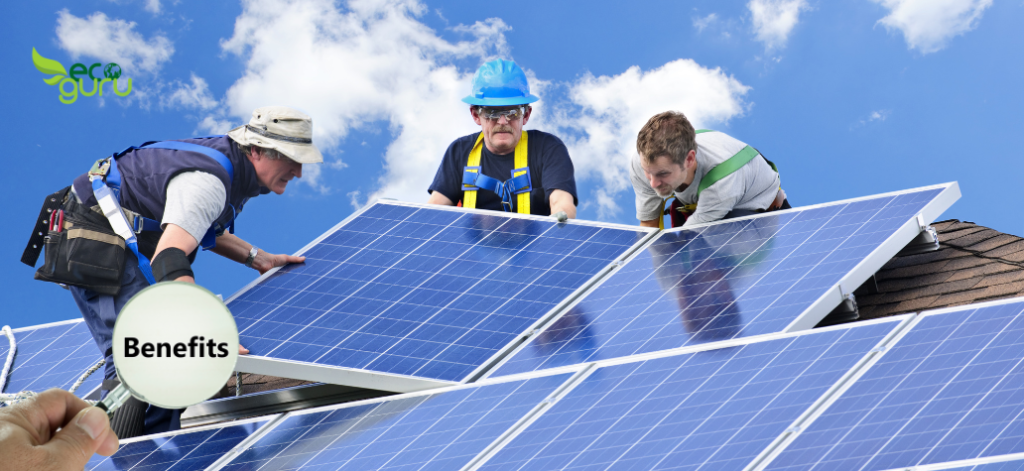
In India, with its abundant sunshine throughout the year, solar panels have the potential to produce substantial amounts of electricity. This is particularly significant given the country’s growing energy needs and the imperative to reduce greenhouse gas emissions.
As we continue our exploration of solar energy, we’ll delve deeper into how India is harnessing the power of the sun and the initiatives aimed at maximizing solar energy production. Stay with us to uncover the bright future of clean and sustainable power in the land of endless sunshine.
India, a country known for its vibrant culture and diverse landscapes, is also a land of immense solar potential. As the sun bathes this subcontinent with its rays, it presents a golden opportunity for India to harness clean and sustainable energy on a grand scale.
Highlighting India’s Solar Potential
India’s geographical location makes it particularly well-suited for solar energy generation. With a vast land area and abundant sunshine throughout the year, the country boasts an enormous solar potential waiting to be unleashed. This potential is not limited to a specific region; it spans from the northern plains to the southern tip, from the western deserts to the eastern coast.
In fact, India’s solar potential is so significant that it has the capacity to meet the energy needs of millions of households, reduce carbon emissions, and enhance energy security. The realization of this potential has led to a burgeoning solar industry and a growing interest in solar power among both businesses and homeowners.
Government Initiatives and Incentives
Recognizing the critical role of solar energy in the country’s future, the Indian government has taken proactive measures to promote its adoption. Various initiatives and incentives have been introduced to encourage the deployment of solar systems. These initiatives include:
National Solar Mission
Launched in 2010, this mission aims to make India a global leader in solar energy production by promoting the use of solar power for both grid-connected and off-grid applications.
Solar Subsidies
Subsidies are provided to reduce the cost of solar installations, making them more affordable for households and businesses.
Net Metering
This policy allows surplus solar power generated by consumers to be fed back into the grid, enabling them to earn credits or compensation for their contributions.
Solar Parks
India has established numerous solar parks and ultra-mega solar power projects to accelerate solar capacity expansion.
Research and Development
Investment in research and development is fostering technological advancements, improving the efficiency of solar panels, and reducing their cost.
With these government initiatives and incentives, India is poised to become a global leader in solar energy production, contributing significantly to a sustainable and greener future.
As we journey deeper into the world of solar energy, we’ll explore the advantages it offers to India, both in terms of environmental sustainability and economic growth. Stay tuned to discover how solar power is transforming the energy landscape in this vibrant and sun-drenched nation.
Why Solar Energy Matters: Advantages of Solar Energy
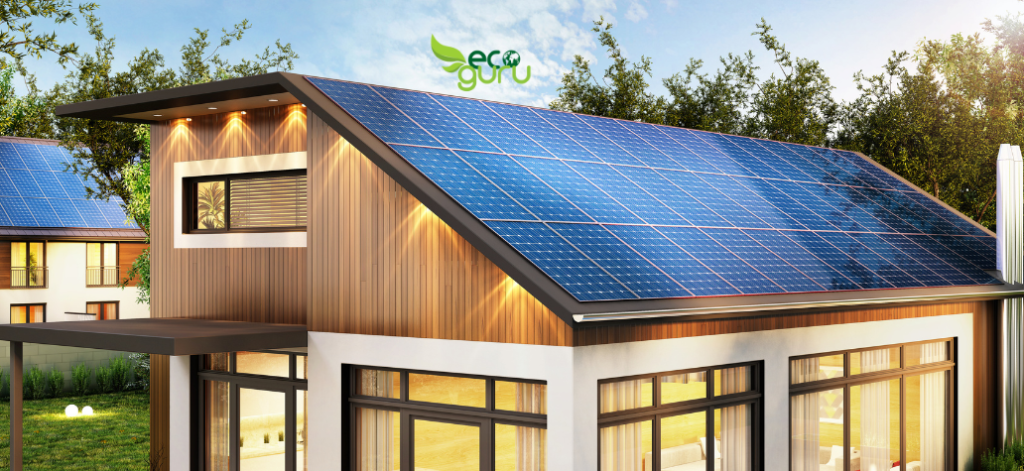
Solar energy, with its remarkable capacity to harness the power of the sun, offers a multitude of advantages that extend far beyond simply generating electricity. Let’s dive into the three key areas where solar energy shines: environmental benefits, economic advantages, and energy independence.
Environmental Benefits
Reduced Carbon Emissions
One of the most significant environmental advantages of solar energy is its ability to reduce greenhouse gas emissions. Solar power generation produces no air pollution, making it a clean and sustainable alternative to fossil fuels. This contributes to mitigating the impacts of climate change and improving air quality.
Conservation of Natural Resources
Solar energy reduces the reliance on finite fossil fuel resources, preserving them for future generations. It also lessens the environmental impact associated with resource extraction and transportation.
Minimal Water Usage
Unlike many other forms of energy generation, solar panels require minimal water for operation. This is especially crucial in regions facing water scarcity issues.
Economic Advantages
Savings on Electricity Bills
Solar panels allow homeowners and businesses to generate their electricity, reducing their dependence on grid power and resulting in substantial cost savings over time.
Return on Investment
Investing in solar energy systems can offer an attractive return on investment (ROI). In many cases, the savings on electricity bills and potential income from selling excess energy back to the grid can offset the initial installation costs.
Job Creation
The solar industry has the potential to create a significant number of jobs, from manufacturing and installation to research and development, contributing to economic growth.
Energy Independence
Reduced Dependence on Grid Power
Solar power provides a degree of energy independence, allowing consumers to generate their electricity. This is particularly beneficial in areas with unreliable or expensive grid electricity.
Energy Security
Solar energy systems coupled with energy storage solutions, such as batteries, offer a source of power during grid outages or emergencies, enhancing energy security.
Grid Support
Solar power can also support the grid by reducing peak demand and stabilizing electricity supply, contributing to a more robust and reliable energy infrastructure.
By harnessing the power of the sun, individuals and nations alike can enjoy these remarkable advantages, moving towards a cleaner, more sustainable, and economically sound energy future. In the next sections, we’ll explore the challenges solar energy faces and the innovative solutions that are paving the way for a brighter tomorrow.
Challenges and Solutions
While the benefits of solar energy are undeniable, it’s essential to address the challenges it faces and the innovative solutions that are shaping its future. In this section, we’ll debunk common misconceptions and delve into the critical topics of battery storage and grid integration.
Addressing Common Misconceptions
Intermittency Concerns
Some skeptics argue that solar power is unreliable due to its dependence on sunlight. While it’s true that solar generation varies with weather conditions, advancements in technology and grid management have made solar energy a highly reliable source of power. Additionally, hybrid systems that combine solar with other energy sources can mitigate intermittency concerns.
High Initial Costs
Another misconception is that solar installations are prohibitively expensive. While the initial investment can be significant, government incentives, subsidies, and decreasing panel costs are making solar more accessible and cost-effective.
Environmental Impact of Production
Critics sometimes claim that the environmental impact of manufacturing solar panels outweighs their benefits. However, studies show that the carbon footprint of solar panel production is relatively low, and the panels quickly offset their emissions during their operational lifespan.
Battery Storage and Grid Integration
Battery Technology Advancements
Battery storage is a key component in the adoption of solar energy. Advances in battery technology are making it more affordable and efficient to store excess solar power for use during cloudy days or nighttime. Home battery systems are becoming increasingly popular, providing homeowners with energy independence.
Grid Integration Solutions
Integrating solar power into existing energy grids is a critical challenge. Grid operators are developing smart grid technologies to manage solar energy efficiently and balance supply and demand. Net metering and feed-in tariffs incentivize solar users to contribute surplus power to the grid.
As technology continues to evolve and society’s understanding of solar energy matures, many of the challenges associated with it are being overcome. By addressing common misconceptions and investing in innovative solutions like advanced battery storage and grid integration, we can make solar energy an integral part of our sustainable energy future. In the upcoming sections, we’ll explore practical applications of solar power and guide you on your journey to harnessing the sun’s energy.
Solar Energy Applications
As solar energy continues to gain momentum in India, it’s crucial to understand how it can be harnessed across various sectors. In this section, we’ll explore the practical applications of solar power in homes, agriculture, industry, and transportation, highlighting its potential to transform these sectors sustainably.
Solar Power for Homes
Residential Solar Panels
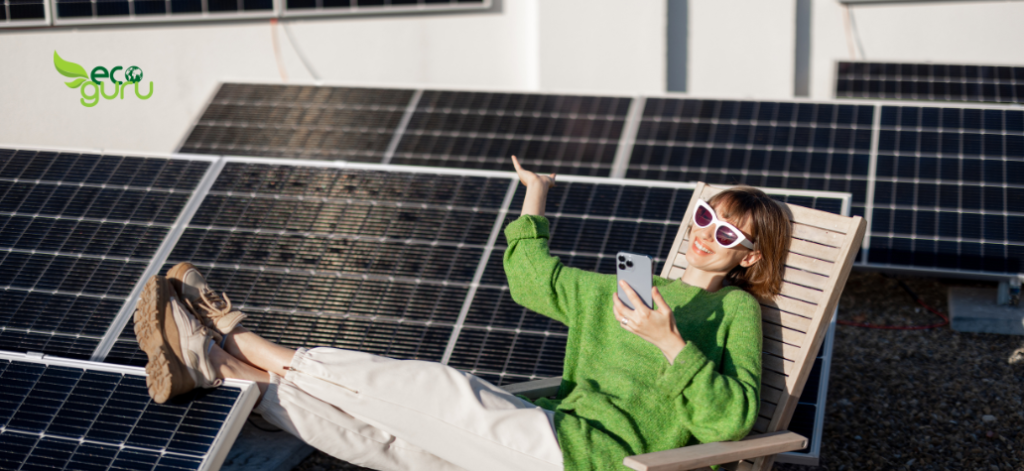
Solar panels for homes have become a game-changer in the quest for clean and affordable energy. By installing solar panels on rooftops, homeowners can harness the power of the sun to generate electricity. This not only reduces electricity bills but also contributes to a greener environment. It’s a win-win situation for both your wallet and the planet.
Solar Water Heaters
Solar water heaters are another remarkable application of solar energy for homes. These systems use sunlight to heat water for various household purposes, significantly reducing the need for electricity or gas-powered water heaters. It’s an eco-friendly way to enjoy hot water while cutting down on utility costs.
Off-Grid Living
For those seeking energy independence, off-grid living powered by solar energy is an exciting possibility. Solar power systems, combined with energy storage solutions like batteries, provide a sustainable source of energy for remote homes and cabins. You can enjoy modern amenities even in the most secluded locations.
Solar in Agriculture and Industry
Agricultural Applications
Solar energy is revolutionizing agriculture in India. Solar-powered water pumps and irrigation systems are empowering farmers with a reliable and cost-effective source of energy to enhance crop yields. It’s a sustainable way to address the irrigation needs of vast agricultural lands.
Industrial Processes
Industries are increasingly turning to solar energy to power various processes, from manufacturing to wastewater treatment. By integrating solar power into their operations, industries can reduce operational costs and their environmental impact simultaneously.
Solar-Powered Transportation
Electric Vehicles (EVs)
The adoption of electric vehicles (EVs) is on the rise, and solar power plays a crucial role in this transition. Some EVs and charging stations incorporate solar panels, enabling clean and renewable energy for transportation. It’s a significant step toward reducing greenhouse gas emissions from the transportation sector.
Solar-Powered Public Transport
Several forward-thinking cities are embracing solar-powered public transportation solutions. Solar panels on buses and trams offer a sustainable mode of urban mobility, reducing the carbon footprint of public transit.
The versatility of solar energy across these sectors underscores its importance as a clean and sustainable energy source. Whether you’re a homeowner, a farmer, an industrialist, or a commuter, solar power has the potential to transform the way you live, work, and move. In the following sections, we’ll address common questions and concerns about solar energy, guide you on how to get started with solar installations, and emphasize the importance of making the switch to this renewable energy source. Stay with us to unlock the full potential of solar power in your life and community.
FAQs: Answering Your Solar Questions

Solar energy is a powerful and sustainable resource, but it’s natural to have questions about how it works and its practical implications. In this section, we’ll provide answers to some of the most common questions about solar power, helping you gain a better understanding of this renewable energy source.
What is the lifespan of solar panels?
Solar panels are designed to last for several decades. On average, they have a lifespan of 25-30 years. Many manufacturers offer warranties that guarantee their performance for 25 years or more.
How does solar energy affect my electricity bills?
Solar energy can significantly reduce your electricity bills. By generating your electricity, you’ll rely less on grid power, leading to lower monthly bills and long-term savings.
Are there any subsidies for solar installation?
Yes, various government incentives and subsidies are available to encourage solar adoption. These subsidies vary by location and may include tax credits, rebates, and low-interest loans.
Is solar power reliable during cloudy days?
Solar panels can still generate electricity on cloudy days, albeit at reduced efficiency. Battery storage systems can store excess energy during sunny periods, ensuring a steady power supply even when sunlight is limited.
What are the environmental impacts of solar production?
Solar panel production has a relatively low environmental impact compared to the emissions associated with fossil fuel-based energy generation. Solar panels quickly offset their emissions during their operational lifespan.
Can I sell excess solar power back to the grid?
Yes, in many regions, you can sell excess solar power back to the grid through net metering or feed-in tariff programs. This allows you to earn credits or compensation for the surplus energy you produce.
What is the payback period for a solar installation?
The payback period for a solar installation varies depending on factors like location, system size, and local electricity rates. On average, solar systems can pay for themselves in 5 to 10 years through energy savings.
Are there any maintenance requirements for solar panels?
Solar panels are low-maintenance. Regular cleaning to remove dust and debris and occasional inspections for damage are typically all that’s needed. Most panels come with warranties that cover maintenance and repairs.
How can I calculate the right-sized solar system for my needs?
The size of your solar system depends on your energy consumption, location, and budget. A solar provider can conduct an energy audit to determine the optimal system size to meet your requirements.
These FAQs address some of the essential aspects of solar energy, but there’s much more to explore. In the following sections, we’ll guide you through the process of going solar, from initial considerations to choosing the right solar provider. Embracing solar energy can bring numerous benefits to your life, your wallet, and the environment.
Going Solar: Getting Started
Now that you have a solid understanding of the advantages, applications, and answers to common questions about solar energy, it’s time to explore how to take the next steps toward harnessing this abundant and sustainable resource. In this section, we’ll walk you through the essential considerations for going solar, including steps to take before installing solar panels, selecting the right solar provider, and exploring financing options.
Steps to Consider Before Installing Solar Panels
Energy Audit
Start by conducting an energy audit of your home or business. Understand your current energy consumption patterns to determine the size and type of solar system you need.
Roof Assessment
Evaluate the condition and orientation of your roof. Ensure it can support the weight of solar panels and receives sufficient sunlight throughout the day. Any necessary roof repairs or upgrades should be addressed before installation.
Local Regulations
Research local regulations, permits, and zoning requirements related to solar installations. Ensure compliance with all relevant guidelines and obtain any necessary permits.
Energy Efficiency
Consider implementing energy-efficient practices and appliances to reduce your overall energy consumption. This can help optimize the efficiency of your solar system.
Choosing the Right Solar Provider
Research
Research reputable solar providers in your area. Read customer reviews, check their track record, and verify their credentials and certifications.
Consultations
Schedule consultations with multiple providers to discuss your energy needs, budget, and any specific requirements. Get quotes and compare offerings to make an informed decision.
Warranties and Guarantees
Pay attention to the warranties and guarantees offered by different providers. A strong warranty ensures peace of mind and protection for your investment.
Financing Options
Purchase vs. Lease
Decide whether you want to purchase a solar system outright or lease one. Purchasing typically provides greater long-term savings, while leasing may have lower upfront costs.
Government Incentives
Explore available government incentives, tax credits, and rebates that can offset the cost of your solar installation.
Financing Plans
Many solar providers offer financing plans with flexible terms. Investigate these options to find the financing solution that best suits your financial situation.
Return on Investment (ROI)
Calculate the expected ROI for your solar installation. Consider factors like energy savings, potential earnings from excess energy sold back to the grid, and the payback period.
By carefully considering these steps and options, you can embark on your journey to go solar with confidence. Solar energy is not just a sustainable choice; it’s a smart investment in a cleaner and more economically viable future. In the concluding section, we’ll reiterate the significance of adopting solar power and encourage you to join the growing community of solar enthusiasts in India.
Conclusion
In the course of this exploration into the world of solar energy, we’ve witnessed the remarkable significance of harnessing the power of the sun. From its environmental benefits to economic advantages and its potential to drive energy independence, solar energy has proven to be a transformative force.
Solar energy matters not just for its environmental and economic benefits but also for its potential to shape a brighter, cleaner future for us all. By adopting solar power, you are not only investing in your own well-being but also contributing to a sustainable and more resilient energy landscape. Together, we can unleash the full potential of solar power and light the way towards a more sustainable and prosperous India.
Check out other best solar products to use
- Best Solar Powered Products For Home In India
- Best Solar Powered Outdoor Lights In India
- Best Solar Water Heaters In India
- Best Portable Solar Charger And Power Bank
Also, check out this list of other eco-friendly products, that you can embrace to lead a eco-friendly lifestyle.


Comments
Comments are disabled for this post