

Top 7 Water Harvesting Projects In India
India has about 16% of the world’s population with access to only 4% of freshwater resources.
Ground Water Board report published by the Indian Government in 2017 stated that the groundwater levels in 256 districts out of 700 districts were in a critical or over-exploited state. That means that groundwater levels have dropped to dangerously low levels in these districts because of over-exploitation.
With limited water resources that are depleting fast, many districts have started making efforts for water harvesting across the country. These projects are designed to take maximum benefits from the monsoon rains and flash floods.
Here you can find the most successful and innovative water harvesting projects across India. These include projects that help turn one of the biggest deserts, the Thar desert, into lush green farms. And the project that helped over 7000 villages build water harvesting structures and reduce drought seasons.
Read on for more details and to know about the 7 Most successful water harvesting projects in India.
Water Harvesting Projects In India
#1. Arvari River Restoration
The Arvari river in the Alwar district of Rajasthan, India had been running dry for almost 60 years. The monsoon rains that arrived were not getting soaked to the ground. The rainwater used to rush off the hills and drain out of the locality, leaving behind the dry and deprived landscape. The trail of the river is about 45-Km with 70 villages depending on this river for water requirements. With the river being long dried, the land around the river had become barren. The crop failure due to lack of rain was a common scene in the areas around the dead Arvari river.
To solve the water crisis problem, Rajendra Singh a water conservationist, also known as the waterman of India, started the NGO Tarun Bharat Sangh to work on water conservation. In 1986, they started rebuilding the traditional crescent-shaped water harvesting structures locally known as johads.
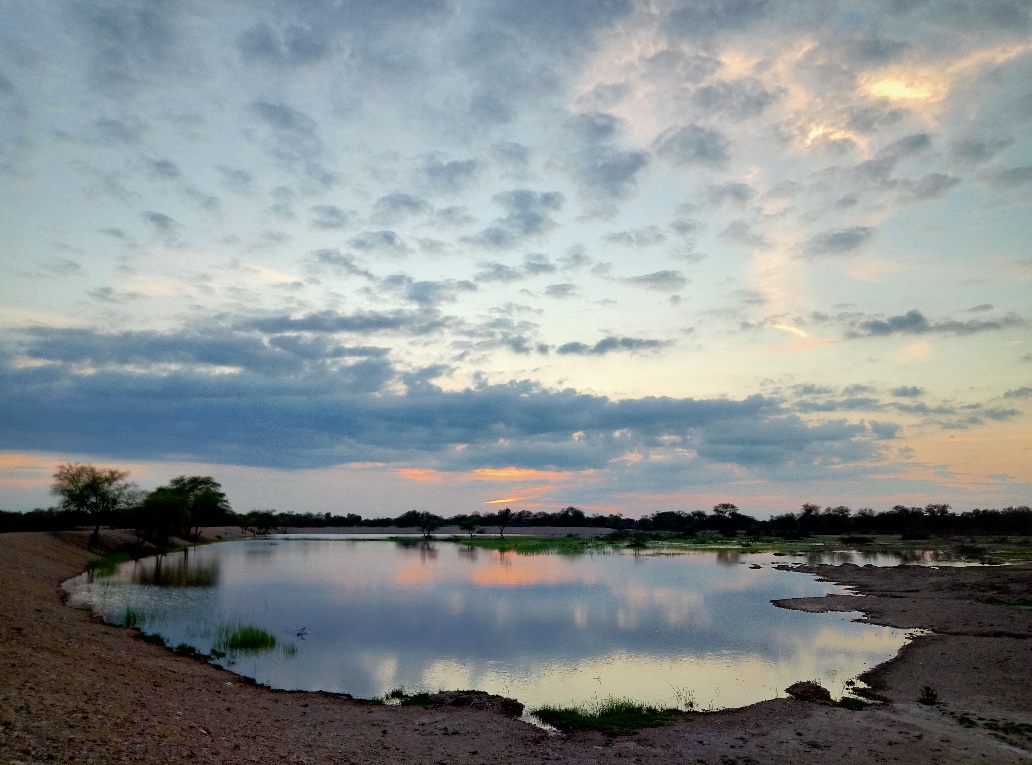
These johads were initially built to supply water to farmers when it was not raining. But after building the johads they noticed that water in the Arvari River was flowing for a longer duration than earlier. So, they kept building the johads and by 1990 water was flowing till October, in 1991 till January, in 1992 till February, in 1993 till March, in 1994 till April and by 1995 it was flowing all year around.
In just 9 years, Rajendra Singh & his team with the help of local people, were able to make the Arvari River perennial again. In this 9 years time period, they build about 375 johads and treated slopes to stop erosion in 70 villages with over 500 square kilometers of area.
Later in 1999, the people from Arvari river basin formed an Arvari parliament to manage the newly born water resource. And further expanded their work to build 9000 more water harvesting structures that helped make four more dry rivers perennial.
#2. GRAVIS Jodhpur
GRAVIS or Gramin Vikas Vigyan Samiti is an NGO working on solving the water crisis problem in the Thar Desert since 1983. The Thar Desert is the most densely populated desert on our planet. That receives rains only once every year during the monsoon season, which is usually a very short time. Resulting in wells running dry in the dry season which forces local residents to migrate to other areas for water, food, and income.
To solve this problem GRAVIS came forward and started building small-scale water harvesting structures on the farms. So, when it rains the water can be soaked into the land instead of it running off in flash floods.
GRAVIS worked on constructing ponds with rock walls that helped soak the rainwater into the ground. That overtime helped refill the underground aquifers with each monsoon rain. Soon the farmers had enough water to grow two crops in a year, instead of only one growing with monsoon rains. This made the local community stop migrating every year and slowly became more abundant and stable.
The water wells in the Middle of the Thar Desert.

The Green lush farms of Rajasthan thanks to water harvesting efforts of the GRAVIS.
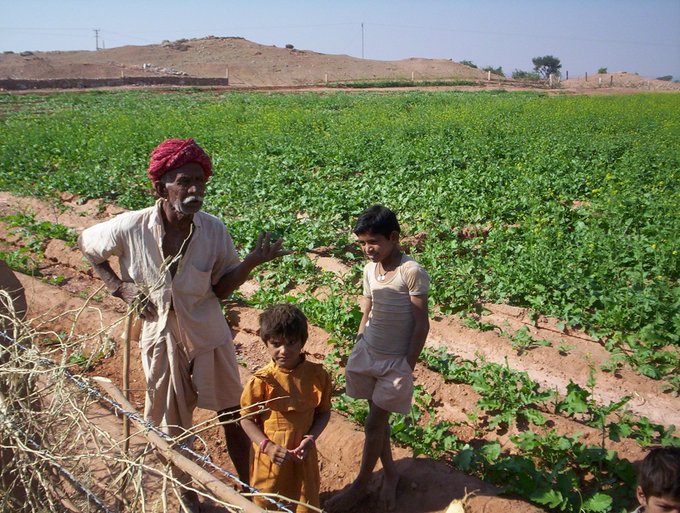
The GRAVIS has worked in over 1500 villages and improved the lives of over 1.3 million people. The 40 years of excellent work by GRAVIS has resulted in many green irrigated lands in the Thar desert.
#3. Paani Foundation
The Paani Foundation is an NGO in Maharashtra founded by Bollywood star Aamir Khan to make the State of Maharashtra Drought free. The Paani Foundation aims to solve the water crisis problem with the power of collective actions. Paani foundation works on implementing proven scientific solutions and technologies for water conservation by fostering social unity among villagers.
To do exactly that Paani Foundation conducts a water cup every year since 2016 to encourage the construction of water harvesting structures. This region receives the rainfall for just 3 months and the dry season lasts for 9 months means all the water for drinking or farming needs to be collected in this short period. The water cup competition builds rainwater harvesting systems all with the help of a volunteer labor force.
In this competition, villagers compete to construct most water harvesting structures in 45 days’ time. Thousands of villages have taken part in this competition to construct many water harvesting structures. This has resulted in the construction of water harvesting structures with a water storage capacity of over 550 billion liters. This feat has been achieved in the period between 2016 and 2020 that too with just 3-months of rain in the entire year.
This competition starts at midnight and villagers work for over 45 days putting in all their efforts to build the rain harvesting structures. Then they are judged on the quality and quantity of the structures they have built. The winners of the water cup competition are then felicitated with large cash prizes.
One of many water harvesting structures
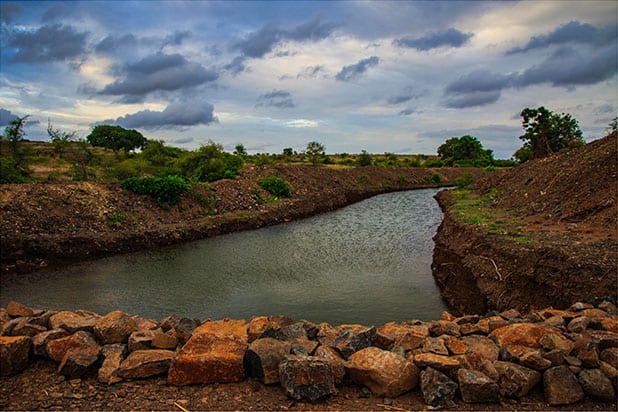
When the rain comes a lot of water is soaked into the ground with help of these water harvesting structures. This helps water tables to replenish in just one rainy season and wells have rejuvenated with water again.
This competition has helped turn around the fortune of the entire villages as people can now plant more than one crop in a year. Compared to earlier, when they used to have only one crop, that too with the monsoon rains. Overall, the villages now have a more stable economy with reduced economic migration and crop failures.
Watch this video for the impact of the Paani Foundation in stopping economic migration.
The Paani foundation with its water cup has constructed water harvesting structures at a huge scale and speed. And have helped transform the rural society and livelihood. You can visit here to know about many more transformation stories because of the Paani Foundation.
#4. Jal Sanchay Project
The Jal Sanchay Project was started in Nalanda District by the district administration after facing draught-like conditions. The Nalanda district of Bihar is all agrarian-based and the livelihood of the farmers were affected badly by water shortages.
The District administration started the project to provide a sustainable resolution to the water issues of the region. The primary focus was on building many more check dams and clearing the silt from the irrigation channels and water bodies. They also made the renovations as per the requirement in the traditional irrigation systems.
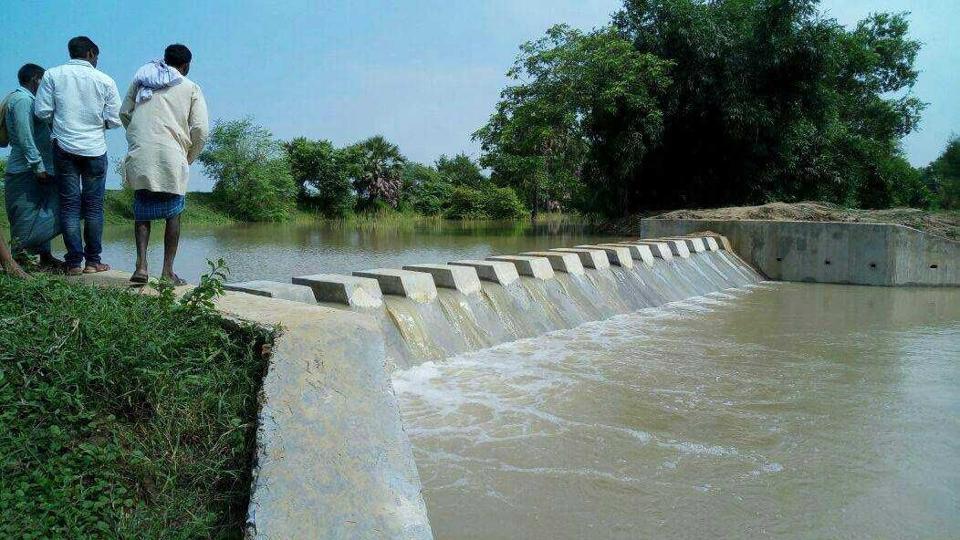
Although this project started with the initiative of the administration it soon got the mass appeal and turned into a people’s movement. This project utilized the traditional knowledge of the local farmers combined with modern technology to provide everlasting solutions to the water crisis.
Since this project was built under Mahatma Gandhi National Rural Employment Guarantee Programme (MGNREGP) it was selected for a national award for excellence in MGNREGP for the year 2017.
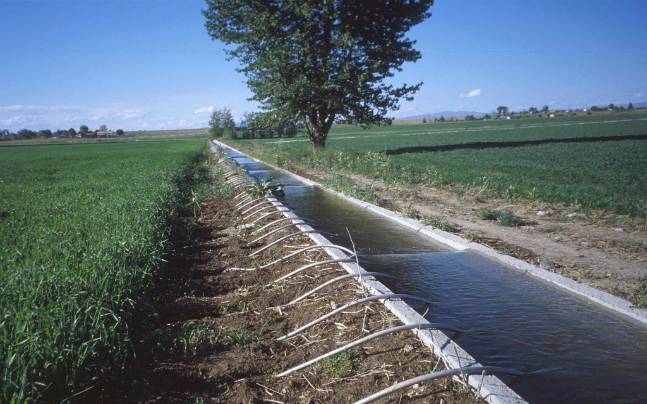
The local administration also worked on creating awareness among the locals regarding the need for water harvesting and conservation. Which helped in a great way to make the project a people’s movement and a great overall success.
#5. 100 Ponds 50 Day Project
The 100 Ponds in 50 days project in Ernakulam district of Kerala was aimed at reviving the dying ponds. In 1980 there were about 3000 ponds in the Ernakulam district that had shirked to just 700 ponds in 2016. And 2016 was the year in which drought affected this district and the entire state was under drought in the following year.
All this made the life of local citizens quite difficult. Which prompted the then-District Collector K. Mohammed Y. Safirulla to come up with an idea to rejuvenate the old ponds. And he announced the project ‘100 ponds 50 days’ to build clean and rejuvenate 100 ponds in the district in 50 days. This initiative by the district administration received an overwhelming response from the local people. And they were able to achieve the target of 100 ponds in just 43 days. Then went ahead to clean 163 ponds in 60 days.
Before The Clean-up picture
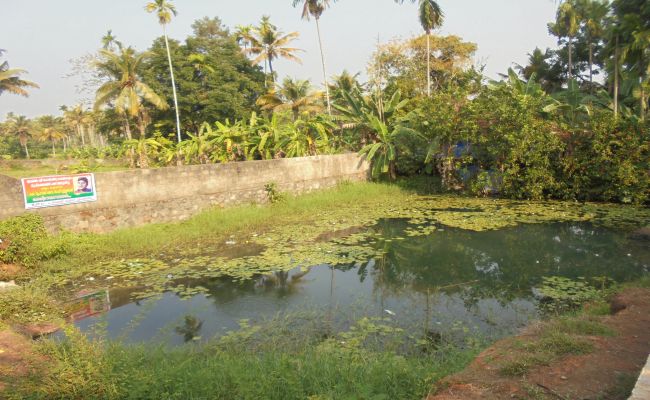
After the Cleanup
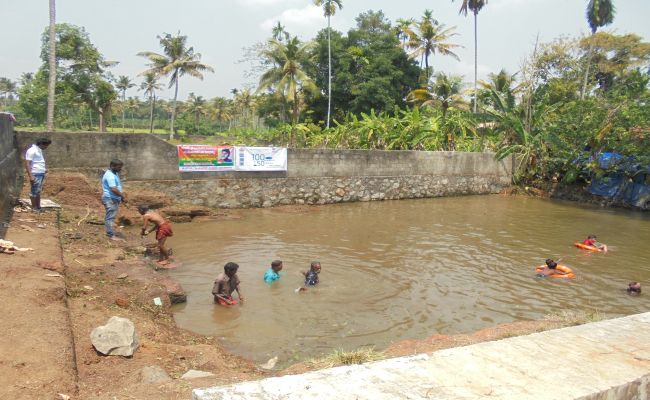
The district administration formed teams of volunteers to evaluate the existing condition of the pond. Then figure out the plan for equipment and workforce required for the clean-up. After completing the evaluation, the clean-up drive was scheduled mostly on weekends and public holidays. To encourage local residents to take part in the clean-up drive and create a sense of ownership amongst them.
The 100 ponds 50 days project was more than successful in overachieving the set target. Pond water is not only used for agriculture but also helped rejuvenate the groundwater.
#6. Jeevika Project Udhampur
Udhampur is the third largest district of J&K with 80 percent of the population dependent on farming. And most of the farming depends on the monsoon which could cause failed crops when the monsoon is delayed or less than expected. The Jeevika project was launched by district administrations to lower the dependence of farmers on the monsoon. And help increase the incomes of farmers and provide better livelihood to them.
They built this project to conserve the runoff water from permanent water bodies like rivers in plastic ponds. The plastic ponds act as water harvesting structures from which water can be used year round for farming purposes. The drip irrigation system is used to supply water to farmers, which actually makes the efficient use of water.
This has helped provide clean water to the local farmers throughout the year by managing the water resources efficiently. The Jeevika project has helped farmers increase their income by planting more than one crop every year.
#7. Jal Shakti Abhiyan: Catch the Rain
‘Jal Shakti Abhiyan: Catch the Rain’ campaign was started by the government of India to encourage water conservation. This campaign aims to build a mass movement of people working to set up water harvesting infrastructures. Many areas of India still depend on monsoon rains to plant crops and other water-related needs.
This government initiative aims to encourage water conservation by building various water harvesting structures. Depending upon the local conditions of the area that would ensure that rainwater is stored properly. Local government and authorities of villages and cities are involved in setting up water harvesting infrastructures even in remote areas.
Conclusion
Clean drinking water is a necessity for every human being. Apart from drinking, the water is needed for agriculture, feeding livestock, and many other purposes. And it is the collective responsibility of our society to ensure that everybody gets access to a clean hygienic sources of water.
All the projects and initiatives mentioned above are great examples of collective actions. And proves that if there is the will to work, then any problem can be solved. And as more people get aware of the environment, the more responsible they are for conserving it.
Also, read about different water conservation methods, Detailed account of rainwater harvesting system, and Processes of setting up a rainwater harvesting system.


Comments
Comments are disabled for this post