
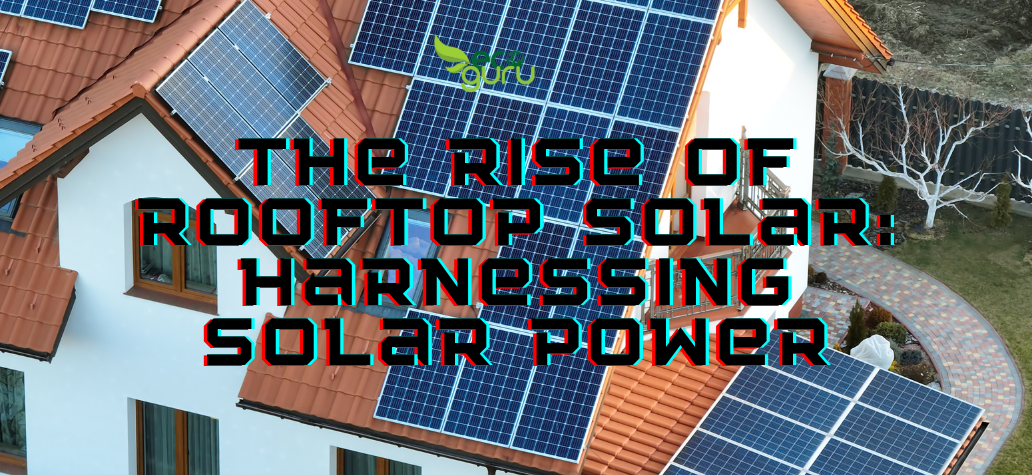

The Rise of Rooftop Solar: Harnessing Solar Power
Imagine harnessing the power of the sun right on your rooftop, generating clean and renewable energy for your home or business. That’s the promise of rooftop solar power. In this blog post, we’ll take you on a journey through the rise of rooftop solar in India, a sustainable energy solution that not only benefits your pocket but also the environment.
Solar energy, often referred to as the future of power generation, has gained significant traction in recent years, especially in India. As the world grapples with environmental challenges and the need for sustainable energy sources, India is at the forefront of the solar revolution.
The Solar Revolution in India
India’s solar journey is nothing short of remarkable. With abundant sunlight throughout the year, India’s potential to harness solar energy is immense. The country has recognized this potential and has made significant strides in solar energy adoption.
The growth of solar energy in India has been exponential. Solar power capacity has increased exponentially, making it one of the fastest-growing renewable energy sources in the country. The government’s relentless commitment to clean energy is a driving force behind this revolution.
India’s solar story is not just about harnessing sunlight; it’s about transforming the energy landscape. The government’s initiatives and policies have played a pivotal role in promoting solar power. The ambitious National Solar Mission, also known as the Jawaharlal Nehru National Solar Mission, aims to make India a global leader in solar energy production.
Under this mission, various policies and incentives have been introduced to encourage the adoption of solar energy. These include subsidies, tax benefits, and net metering, making solar power more accessible and affordable to individuals and businesses alike.
Moreover, the “Atmanirbhar Bharat” (Self-Reliant India) initiative has bolstered the solar sector by promoting domestic manufacturing of solar panels and related components. This not only reduces dependence on imports but also creates job opportunities within the country.
As a result of these initiatives, India’s solar capacity has grown exponentially, making it a global leader in the solar energy sector. The positive impact on the environment, energy security, and the economy is undeniable.
In the following sections, we’ll delve deeper into the benefits of rooftop solar, how it works, the installation process, financing options, and more. So, if you’ve ever wondered about the possibilities of harnessing solar power from your rooftop, stay tuned, as we explore the world of rooftop solar in India.
Benefits of Rooftop Solar
When it comes to rooftop solar power, the advantages are multifaceted and far-reaching. Installing solar panels on your rooftop can be a game-changer for your energy consumption and the environment. Here’s a closer look at the benefits:
Cost Savings
One of the most compelling reasons to consider rooftop solar is the potential for significant cost savings. By generating your own electricity, you can substantially reduce or even eliminate your monthly electricity bills. With rising energy costs, this is a substantial financial benefit that can continue for decades.
Environmental Benefits
Harnessing solar power on your rooftop is a green choice. Solar energy is clean and renewable, producing no greenhouse gas emissions or harmful pollutants. By choosing solar, you’re contributing to a healthier planet and reducing your carbon footprint.
Energy Independence
With rooftop solar, you become less reliant on traditional energy sources. This means you’re less vulnerable to energy price fluctuations and power outages. You gain a level of energy independence that can be especially valuable in regions with unreliable grid systems.
Return on Investment (ROI)
Installing solar panels is an investment that can yield substantial returns over time. Depending on factors like your location and energy consumption, you can expect to recoup your initial investment within a few years. After that, you’ll enjoy free electricity for years to come.
Low Maintenance
Solar panels are designed to be low-maintenance. They require minimal attention and typically come with warranties that can span 20-25 years or more. Occasional cleaning and inspections are usually all that’s needed to keep your system running smoothly.
How Rooftop Solar Works
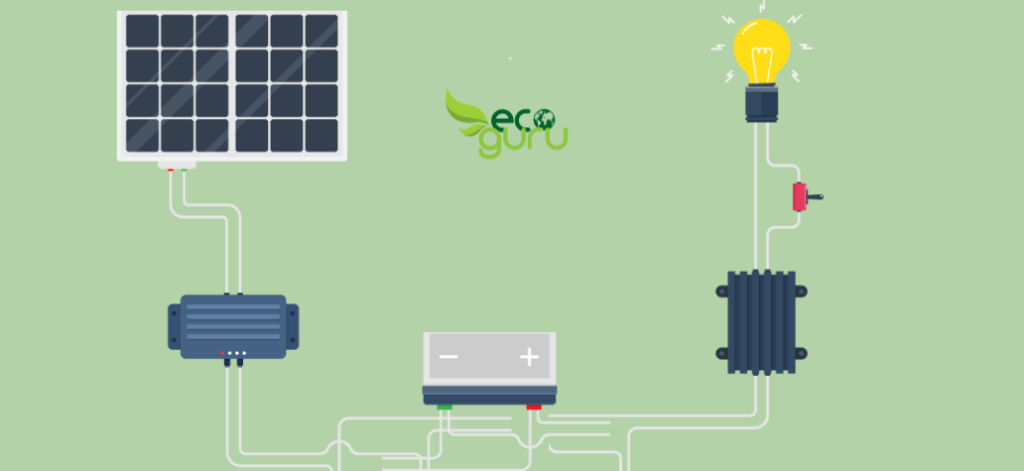
Understanding how a rooftop solar system functions is crucial to realizing its potential. Here’s a breakdown of the key components and how they work together:
Solar Panels
Solar panels, often made of photovoltaic cells, capture sunlight and convert it into electricity. These panels are typically mounted on your rooftop to maximize exposure to sunlight.
Inverters
Solar panels produce direct current (DC) electricity, but most household appliances and the grid use alternating current (AC). Inverters are the devices that convert DC electricity from your solar panels into the AC electricity your home or business uses.
Net Metering
Net metering is a critical aspect of rooftop solar. When your solar panels generate excess electricity, it’s fed back into the grid. In return, you receive credits on your electricity bill. This allows you to balance out any electricity you consume from the grid with the excess you generate, reducing your overall costs.
Monitoring Systems
Many rooftop solar systems come with monitoring systems that allow you to track your energy production and consumption in real time. This data helps you optimize your energy use and ensure your system is performing efficiently.
By understanding how these components work together, you can make informed decisions about installing a rooftop solar system on your property. In the following sections, we’ll explore the installation process, maintenance, financing options, and more, so you can embark on your journey towards harnessing the power of the sun.
Installation Process
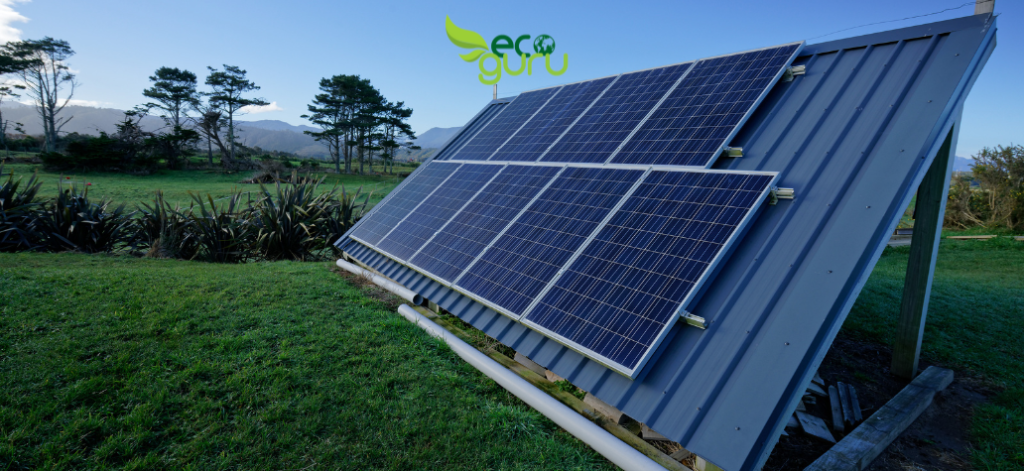
Embarking on the journey of installing rooftop solar panels is an exciting endeavor that can bring a wealth of benefits. To help you get started, here’s a step-by-step walkthrough of the installation process:
Site Assessment
The process begins with a thorough assessment of your property. Solar installers will evaluate your roof’s suitability, taking into account factors like its orientation, shading, and structural integrity. They will also consider your energy needs to determine the system’s size.
Design and Planning
Once your property is deemed suitable for solar installation, a customized system design is created. This design considers the layout of the solar panels, the type of panels and inverters to be used, and the electrical connections.
Permits and Approvals
Before installation can commence, the necessary permits and approvals must be obtained. This step ensures that your solar system complies with local regulations and safety standards.
Installation
With permits in hand, the installation team begins mounting the solar panels on your rooftop. They securely attach the panels to maximize exposure to sunlight. The inverter, which converts DC electricity to AC, is also installed. Wiring is carefully connected to your electrical panel.
Connection to the Grid
If your location supports net metering, the final step is connecting your solar system to the grid. This allows you to send excess electricity back to the grid and receive credits on your electricity bill.
System Testing
After installation, your solar system is thoroughly tested to ensure it is operating efficiently and safely.
Monitoring and Maintenance
Many systems come with monitoring capabilities, allowing you to track energy production and system health in real-time.
Choosing the Right System
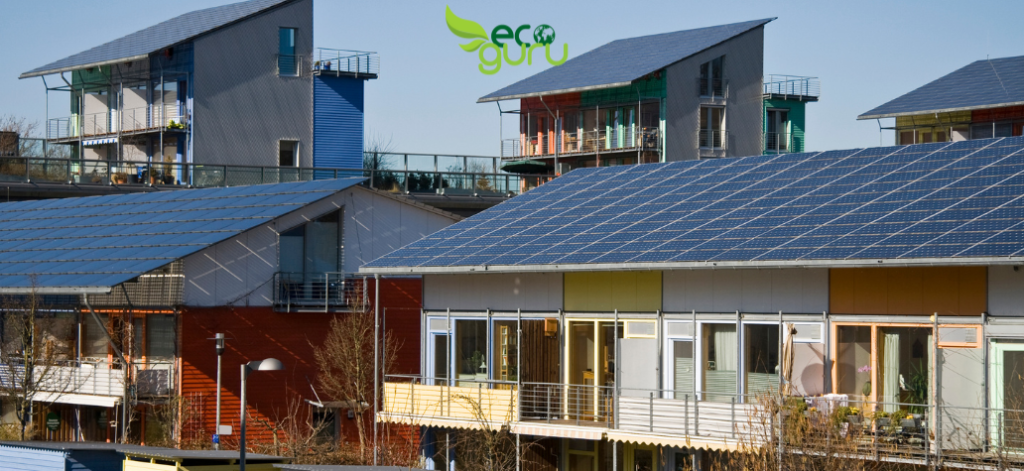
When considering a rooftop solar system, it’s essential to choose the right one for your needs. Factors to consider include:
System Size
Determine the size of the system based on your energy consumption and available roof space.
Quality
Opt for high-quality solar panels and inverters that come with reliable warranties.
Installation Provider
Select a reputable solar installation provider with a track record of successful installations.
Maintaining Your Solar System
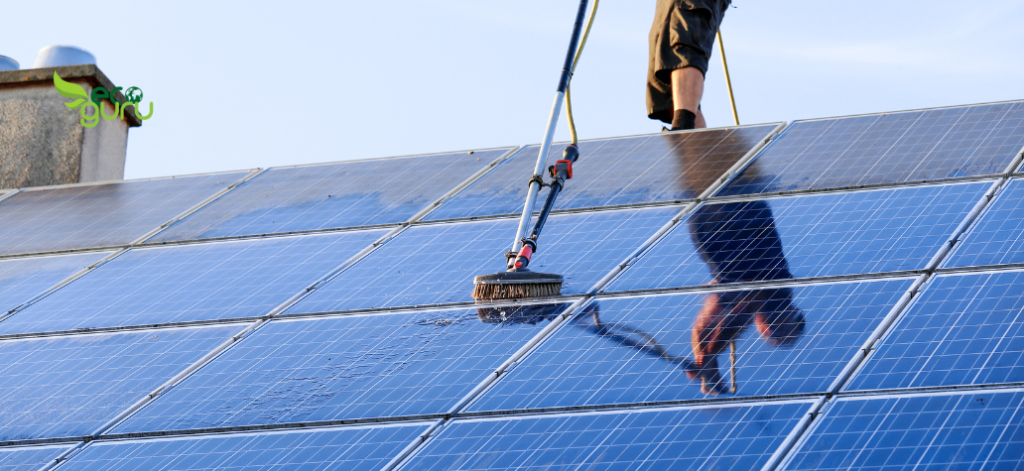
Maintaining your solar system is essential to ensure it continues to operate efficiently for years to come. Here are some key maintenance tips:
1. Regular Cleaning
Keep your solar panels clean from dust, dirt, and debris. Regularly clean them with water and a soft brush to maximize energy capture.
2. Inspections
Schedule periodic inspections by a professional to check for any issues with wiring, connections, or panel damage.
3. Trim Shading
Ensure that shading from nearby trees or structures does not obstruct sunlight to your panels. Trim or remove obstacles as needed.
4. Monitor Performance
Use the monitoring system to track the performance of your solar panels. Any significant drop in energy production should be investigated promptly.
5. Professional Maintenance
Consider professional maintenance services every few years to ensure all components are in good working order.
Financing and Incentives

Investing in rooftop solar is not only a wise environmental choice but also a sound financial decision. Here, we’ll explore the various financing options available to make solar installation more accessible and the government incentives and subsidies that sweeten the deal.
Financing Options
Outright Purchase
The most straightforward approach is to buy your solar panels upfront. While it involves a substantial initial investment, it offers the quickest return on investment (ROI) as you’ll save on electricity bills over time.
Solar Loans
Many financial institutions offer solar loans with favorable terms, making it easier for homeowners and businesses to finance their solar installations. These loans typically have low-interest rates and flexible repayment options.
Power Purchase Agreements (PPAs)
With a PPA, a solar provider installs and owns the solar panels on your rooftop, and you agree to purchase the electricity they produce at a predetermined rate. This option requires little to no upfront cost and can provide immediate savings on your electricity bills.
Government Incentives and Subsidies
The Indian government offers several incentives and subsidies to encourage the adoption of solar power
Solar Subsidies
Various state governments offer subsidies on the cost of installing solar panels. These subsidies can significantly reduce the upfront cost of your solar system.
Net Metering
As mentioned earlier, net metering allows you to receive credits for excess electricity your solar panels produce. This not only reduces your electricity bills but also incentivizes solar power generation.
Solar Renewable Energy Certificates (SRECs)
SRECs are tradable certificates that represent the environmental benefits of solar energy production. You can sell these certificates in the market, providing an additional source of income.
GST Benefits
The Goods and Services Tax (GST) on solar equipment has been reduced, making solar installation more cost-effective.
Taking advantage of these financing options and government incentives can make the transition to solar power more affordable and financially rewarding.
FAQs (Frequently Asked Questions)

How much does it cost to install solar panels?
The cost of solar installation can vary based on factors like system size, location, and equipment quality. On average, residential solar systems can cost between ₹1,00,000 to ₹5,00,000 or more.
What is the ROI (Return on Investment) for a rooftop solar system?
The ROI for a rooftop solar system typically ranges from 3 to 7 years. After that, you can enjoy free or significantly reduced electricity bills for the remainder of the system’s lifespan, which is typically 25 years or more.
How long do solar panels last?
Solar panels have a lifespan of 25 to 30 years or more. Most manufacturers offer warranties covering this period.
What are the environmental benefits of solar power?
Solar power reduces greenhouse gas emissions, decreases reliance on fossil fuels, conserves water, and contributes to a cleaner environment.
How can I calculate the energy savings from solar panels?
Energy savings depend on factors like system size, location, and energy consumption. A solar provider can provide you with a customized estimate based on your specific situation.
Conclusion
Rooftop solar offers a plethora of benefits, including substantial cost savings, environmental preservation, and energy independence.
India is experiencing a solar revolution, driven by government initiatives, incentives, and the nation’s abundant sunlight.
Installing a rooftop solar system involves careful planning, site assessment, and consideration of financing options.
Regular maintenance and monitoring are essential to ensuring the longevity and efficiency of your solar panels.
Government incentives, subsidies, and net metering make solar installation more accessible and financially rewarding.
Real-life success stories showcase how individuals and businesses are reaping the rewards of rooftop solar.
In conclusion, we encourage you to consider rooftop solar as a sustainable energy option for your homes and businesses. By harnessing the power of the sun, you not only contribute to a cleaner environment but also secure a brighter, more cost-effective future. Embrace the solar revolution, and let the sun illuminate your path to energy independence.


Comments
Comments are disabled for this post