
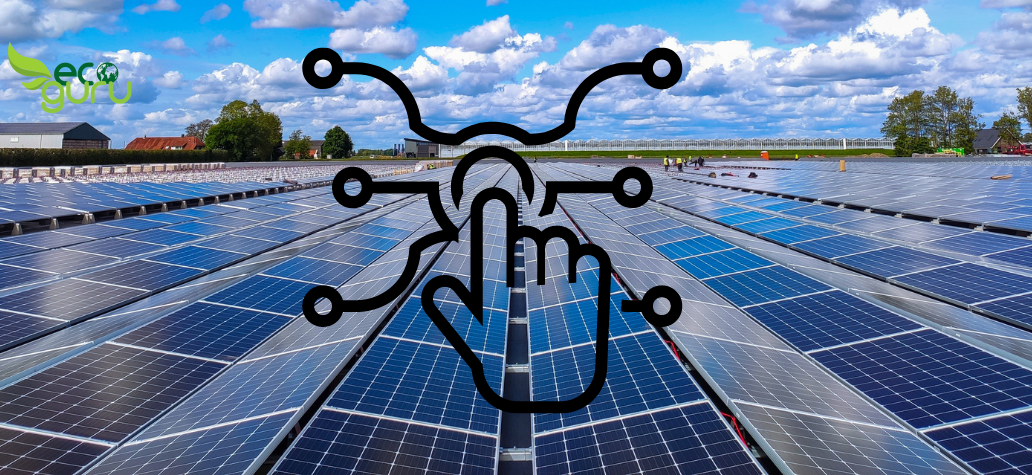

Beyond Traditional Power: Innovations in Solar Technology
In the radiant landscape of India, where the sun graces our skies abundantly throughout the year, solar technology has emerged as a beacon of hope and progress. As the world pivots towards sustainable energy solutions, India stands at the forefront, harnessing the power of the sun to illuminate the path toward a greener and more energy-efficient future.
The importance of solar technology in India cannot be overstated. With a growing population and a surging demand for electricity, the conventional power grid alone can’t keep pace with our energy needs. That’s where solar energy steps in, offering a clean and renewable alternative that’s not just cost-effective but also eco-friendly.
But what truly makes this journey into the world of solar energy so exciting is the relentless pursuit of innovation and advancement within the solar industry. As we delve into this blog, we’ll explore the cutting-edge breakthroughs and ingenious solutions that are reshaping how we harness the power of the sun. From more efficient solar panels to advanced energy storage systems, the possibilities are as endless as the sun’s rays themselves.
Let’s discover together how these innovations are not only changing the way we power our lives but also helping us pave the way to a sustainable, brighter future.
The Current State of Solar Energy in India
As we embark on this journey to explore innovations in solar technology, it’s crucial to understand the present landscape of solar power generation in India. This provides us with a solid foundation for appreciating the advancements that have been made and the challenges that lie ahead.
Solar Power Generation in India Today
India’s solar journey has been nothing short of remarkable. With its vast and diverse geography, the country has an abundance of solar energy potential. This has led to significant growth in solar power generation over the past decade. Solar installations dot the Indian landscape, from sprawling solar farms to rooftop solar panels on residential and commercial buildings.
One of the noteworthy achievements is India’s cumulative solar power capacity, which has been steadily increasing. The country has made substantial progress in harnessing the power of the sun, making solar energy an integral part of its energy mix.
Renewable Energy Goals and Commitments
India’s commitment to renewable energy sources, particularly solar power, is evident in its ambitious goals. The government has set ambitious targets to increase the share of renewable energy in the energy mix. The National Solar Mission, launched in 2010, aimed to achieve 20 GW of solar power capacity by 2022. This target was later increased to 100 GW.
Furthermore, India is actively participating in global efforts to combat climate change. The country has pledged to reduce its carbon emissions and transition towards a more sustainable and environmentally friendly energy sector. Solar power plays a pivotal role in achieving these commitments, as it is both renewable and clean.
In addition to environmental benefits, solar energy also contributes to energy security. By diversifying its energy sources, India reduces its reliance on fossil fuels and becomes less vulnerable to energy supply disruptions.
Cutting-Edge Solar Technologies

In our quest for a sustainable energy future, it’s essential to keep an eye on the innovations that are propelling the solar industry forward. India’s solar journey is marked not only by increased capacity but also by groundbreaking technologies that have revolutionized how we harness the power of the sun. Let’s explore some of these cutting-edge solar technologies and how they are reshaping the industry.
1. Solar Panels with Improved Efficiency
One of the most significant strides in solar technology has been the development of solar panels with improved efficiency. These panels can convert a higher percentage of sunlight into electricity, making them more productive and cost-effective. Enhanced efficiency means that even in areas with less sunlight, these panels can generate ample power, making solar energy accessible to a broader audience.
2. Solar Tracking Systems
Solar tracking systems are mechanisms that allow solar panels to follow the path of the sun throughout the day. By constantly adjusting their orientation to capture the maximum amount of sunlight, these systems significantly increase energy generation. This innovation is particularly valuable in regions with varying sun angles during the day.
3. BIPV (Building Integrated Photovoltaics)
Building Integrated Photovoltaics, or BIPV, is a revolutionary concept that integrates solar panels directly into building structures. These solar panels can serve as roofing material, windows, or even façades. BIPV not only generates clean energy but also reduces construction costs and enhances the aesthetic appeal of buildings.
4. Energy Storage Solutions
While solar energy is abundant during the day, we often need power at night or during cloudy periods. Energy storage solutions, such as advanced batteries, store excess energy generated by solar panels during the day for later use. This innovation ensures a consistent and reliable power supply, regardless of weather conditions or time of day.
5. Solar-Powered Appliances
Solar-powered appliances are another exciting innovation. These appliances, ranging from solar water heaters to solar air conditioners, are designed to operate directly on solar energy. They reduce the reliance on the grid and are particularly useful in off-grid or remote areas.
These innovative solar technologies collectively contribute to improving energy generation and utilization in India. They make solar power more accessible, reliable, and cost-effective. By embracing these advancements, India is not only increasing its energy capacity but also reducing its carbon footprint and moving closer to achieving its renewable energy goals.
Best Solar Water Heaters In India
Solar Powered Products For Home
Solar Powered Outdoor Lights
Benefits of Solar Innovations

As we journey through the world of cutting-edge solar technologies in India, it’s important to highlight the numerous advantages these innovations bring to the table. The adoption of these technologies isn’t just about staying at the forefront of green energy trends; it’s also about reaping substantial benefits. Let’s delve into the advantages of embracing these innovations:
1. Cost Savings
Investing in cutting-edge solar technologies translates into significant cost savings over the long term. Improved solar panels and energy storage solutions increase the efficiency of energy generation and consumption. This means lower electricity bills for households and reduced operational costs for businesses. Additionally, government incentives and subsidies further sweeten the deal, making solar energy an economically viable choice.
2. Reduced Environmental Impact
Perhaps one of the most compelling reasons to embrace solar innovations is their positive impact on the environment. By harnessing the power of the sun, we reduce our reliance on fossil fuels, which are a major contributor to greenhouse gas emissions. Solar energy production is clean, producing zero emissions and minimizing our carbon footprint. This shift toward sustainable energy sources is a crucial step in mitigating climate change and preserving our planet for future generations.
3. Energy Independence
Solar innovations empower individuals, communities, and even entire nations to become more energy-independent. By generating electricity on-site or at the community level, we reduce dependence on centralized power grids. This is particularly beneficial in remote areas where extending traditional power infrastructure is challenging. It also enhances energy security, reducing vulnerability to supply disruptions.
Real-World Examples of Successful Solar Innovations in India
India has been at the forefront of adopting and adapting solar innovations to meet its unique energy needs. Some real-world examples of successful solar innovations in India include:
- Solar Microgrids: In rural and remote areas with unreliable grid access, solar microgrids provide a stable source of electricity. They empower communities by lighting up homes, powering schools, and enabling small-scale businesses.
- Solar-Powered Irrigation: Solar pumps are revolutionizing agriculture in India. Farmers are using solar energy to irrigate their fields, improving crop yields and reducing operational costs.
- Solar-Powered Transportation: India is exploring solar-powered transportation, including solar-powered buses and trains. These innovations reduce the carbon footprint of public transportation systems.
- Solar Rooftop Systems: Residential and commercial buildings across India are increasingly adopting solar rooftop systems. These systems not only reduce electricity bills but also feed excess energy back into the grid, further promoting sustainability.
By reaping these benefits and showcasing successful case studies, India is not only embracing solar innovations but also setting an example for the world. As we continue our exploration, we’ll discover more ways in which these technologies are transforming lives and contributing to a greener, more sustainable future.
Challenges and Solutions
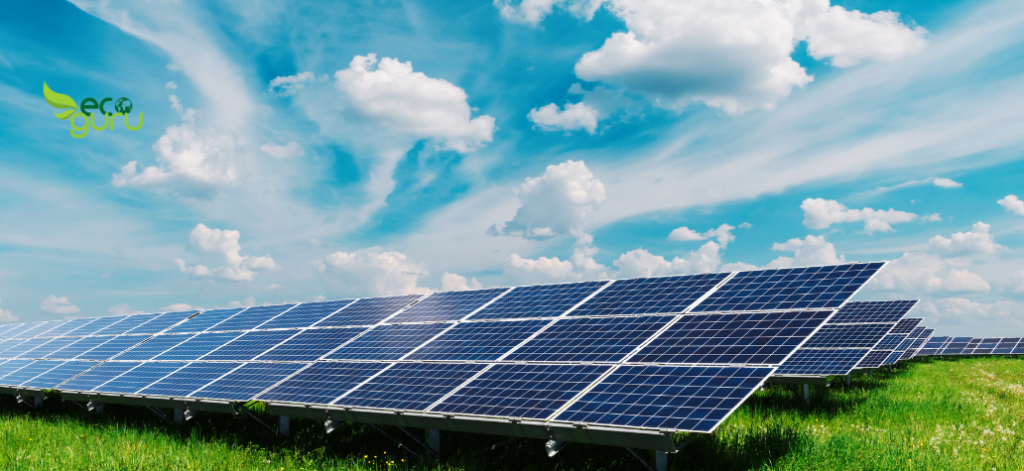
While the promise of advanced solar technologies in India is undeniable, their adoption is not without its challenges. Understanding and addressing these challenges is crucial to ensure a smooth transition to a cleaner and more sustainable energy future.
Common Challenges in the Adoption of Advanced Solar Technologies
- High Initial Costs: The upfront investment required for advanced solar technologies can be a deterrent for many. High-quality solar panels, energy storage solutions, and tracking systems can be expensive, making them inaccessible to some individuals and businesses.
- Intermittent Energy Production: Solar power generation is dependent on sunlight, which is intermittent and varies throughout the day and across seasons. This intermittency can pose challenges in meeting consistent energy demands.
- Technological Awareness: Many potential adopters lack awareness and understanding of the latest solar innovations, hindering their willingness to invest in these technologies.
- Grid Integration: Integrating solar power into the existing electricity grid can be complex, as it requires infrastructure upgrades and regulatory adjustments.
Potential Solutions and Government Initiatives
- Financial Incentives: The Indian government has introduced various financial incentives, such as subsidies and tax benefits, to make advanced solar technologies more affordable. These incentives help reduce the initial investment burden and encourage adoption.
- Net Metering: Net metering allows excess electricity generated by solar installations to be fed back into the grid, offsetting energy costs. This promotes solar adoption by providing an additional source of income for solar system owners.
- Awareness Campaigns: Government and non-governmental organizations run awareness campaigns to educate the public about the benefits and availability of advanced solar technologies. These efforts aim to bridge the information gap and increase adoption.
- Grid Modernization: To facilitate the integration of solar power into the grid, the government is investing in grid modernization projects. These projects improve grid stability and efficiency, ensuring a seamless transition to cleaner energy sources.
- Research and Development: Continued investment in research and development is essential to drive innovation and reduce the cost of advanced solar technologies. The government supports research initiatives to enhance technology efficiency and affordability.
- Community Solar Programs: Community solar programs enable communities to collectively invest in solar installations. This approach spreads the costs and benefits, making solar energy accessible to a wider range of people.
As India faces these challenges head-on and implements solutions and initiatives, the nation moves closer to achieving its renewable energy goals. The commitment to overcoming these obstacles ensures that advanced solar technologies will play an increasingly pivotal role in India’s energy landscape, benefiting individuals, businesses, and the environment alike.
Future Prospects and the Role of Innovation
The future of the Indian solar industry holds immense promise. With ambitious renewable energy targets and a commitment to sustainability, innovation will play a pivotal role in shaping this future. Here’s how:
- Increased Efficiency: Continued research and development efforts will lead to even more efficient solar panels and energy storage systems, improving the overall performance of solar installations.
- Energy Storage Advancements: Breakthroughs in energy storage technology will enable better management of intermittent solar power, ensuring a stable energy supply around the clock.
- Grid Integration: Smart grid technologies will facilitate seamless integration of solar power into the national electricity grid, enhancing grid stability and efficiency.
- Localized Solutions: Innovations in microgrids and distributed generation will empower local communities to generate and manage their own solar power, reducing dependence on centralized grids.
- E-Mobility Integration: Solar energy will play a key role in powering electric vehicles, reducing the carbon footprint of transportation and promoting sustainable mobility.
As we witness these exciting developments and trends in the Indian solar industry, it becomes clear that innovation will continue to drive progress. India’s commitment to embracing these advancements ensures that solar power will remain a cornerstone of its renewable energy strategy, contributing to a greener and more sustainable future.
FAQs: Innovations in Solar Technology

Let’s address some of the burning questions you may have about solar technology and the exciting innovations taking place right here in India. We’ll keep things conversational and informative to provide you with a clear understanding of this transformative energy source.
Q1: What is solar technology, and how does it work?
Solar technology harnesses the energy from the sun to generate electricity. It begins with solar panels, which contain photovoltaic cells that convert sunlight into direct current (DC) electricity. An inverter then converts this DC electricity into the alternating current (AC) electricity used in homes and businesses. Solar technology is all about capturing sunlight and turning it into clean, usable energy.
Q2: Are solar panels only for homes, or can businesses benefit too?
Absolutely, businesses can benefit immensely from solar panels! Commercial and industrial sectors are increasingly adopting solar technology to reduce energy costs and environmental impact. Solar installations on large commercial rooftops or as part of solar farms can significantly lower electricity bills and contribute to sustainability goals.
Q3: What are the environmental benefits of solar power?
Solar power is a champion when it comes to the environment. It produces no greenhouse gas emissions, reducing air pollution and mitigating climate change. Additionally, solar energy conserves water resources and helps combat habitat destruction associated with fossil fuel extraction.
Q4: Are there government incentives for installing solar panels in India?
Yes, the Indian government offers various incentives to promote solar adoption. These include subsidies, tax benefits, and net metering policies. State-level initiatives and incentives may also be available, making it financially attractive to go solar.
Q5: How reliable is solar energy, especially during cloudy days or at night?
Solar energy is highly reliable, but it does depend on sunlight. On cloudy days, solar panels still generate power, although at reduced efficiency. During the night, energy can be sourced from energy storage systems, like batteries, which store excess energy generated during the day.
Q6: Can I sell excess solar power back to the grid?
Yes, you can! Net metering allows you to feed surplus electricity generated by your solar system back into the grid. This not only reduces your electricity bill but also contributes to the overall energy supply.
Q7: What is the future of solar technology in India?
The future of solar technology in India is incredibly bright. With ambitious renewable energy targets and a focus on innovation, we can expect even more efficient solar panels, advanced energy storage solutions, and widespread adoption of solar-powered technologies in various sectors, including transportation and agriculture.
Conclusion
In the radiant journey we’ve taken through the world of solar technology and innovation in India, we’ve uncovered a powerful source of clean, sustainable energy that is reshaping the way we power our lives. From reducing your energy bills to contributing to a cleaner environment and enhancing energy security, solar power offers a multitude of advantages.
Whether you’re a homeowner, a business owner, or an advocate for sustainability, the time is ripe to embrace the power of the sun. By incorporating cutting-edge solar technologies into your life or organization, you not only reap immediate benefits but also contribute to India’s vision of a greener, more sustainable future.
Join the solar revolution, and together, let’s shine a brighter light on the path to a cleaner, brighter India. The power is in your hands – harness it, and watch the world change, one ray of sunshine at a time.
Check out other best solar products to use
- Best Solar Powered Products For Home In India
- Best Solar Powered Outdoor Lights In India
- Best Solar Water Heaters In India
- Best Portable Solar Charger And Power Bank
Also, check out this list of other eco-friendly products, that you can embrace to lead a eco-friendly lifestyle.


Comments
Comments are disabled for this post