

How To Recycle Waste Water Using Plants?
The central groundwater board under the Indian government published a report in 2017 that stated that in 256 Indian districts out of 700 districts, the groundwater levels were at the critical stage or over-exploited. This means that groundwater levels are dropping at a high pace. And water conservation is the only way that can help us prevent a catastrophe from occurring.
In this article, you can read about different water conservation methods. One among them is wastewater recycling. You can categorize wastewater recycling into two types that are greywater recycling and black water recycling.
Greywater is the wastewater generated from showers, baths, basins, and washing machines. That is essentially the water with no fecal contaminations. And Blackwater is the wastewater with the fecal content.
So, here you can read about how to recycle waste water using plants and other natural processes. Essentially, making the wastewater clean enough for consumption using the plants and biologically active soil.
Recycle Waste Water Using Plants
To get started with recycle waste water using plants you need to first understand the wetland plants, a natural product to purify water.
Wetland Plants
The wetland plants have a root system that has a diverse collection of microorganisms like bacteria and fungi. This massive group of microorganisms helps in biodegrading most of the minor pollutants into harmless elements. The roots of such wetland plants actually become a living filter that removes many pollutants from the water.
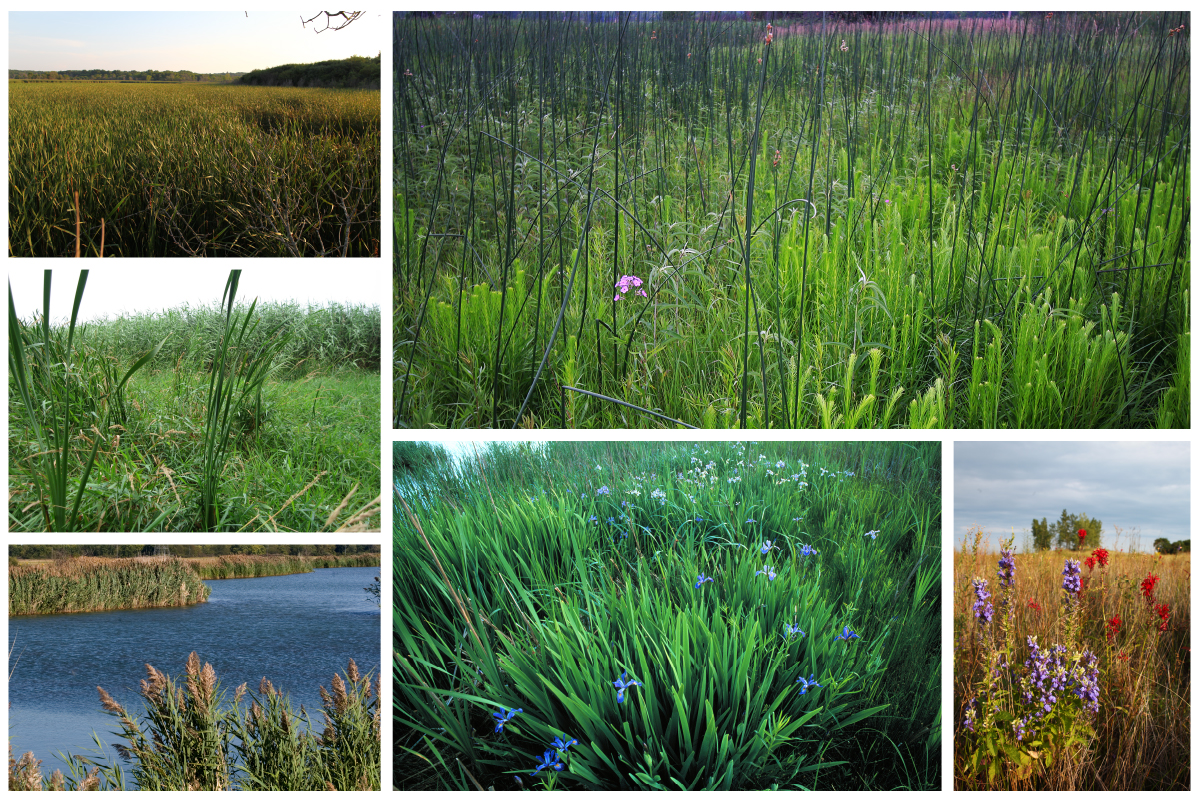
There are some wetland plants that can actually absorb heavy metals like mercury, lead, etc. They absorb these metals from the water into the tissue of the plants. For maximum filtration, you would need to plant a variety of wetland plant species. You also need to make sure that there is a maximum amount of contact between dirty water and the roots of plants.
Setting Up Plant-Based Water Filter For Grey Water Recycling
One thing is clear by now you need to set up the water filtration plant in a way that there is maximum contact between the roots of the plant and the wastewater.
Let’s get started with understanding the procedure of greywater recycling using wetland plants.
You would need to construct an artificial wetland for the water treatment. The greywater that comes in goes into the gravel-filled basin or tank with wetland plants. You should line the tank at the bottom with plastic or cement to avoid seeping water into the ground.
So, the water flows under the gravel and above the lined surface. The water flowing under the gravel ensures that dirty water is never exposed to the air. Further, you should add some sort of baffles or obstacles in a way that water is forced to move up and down through the system.
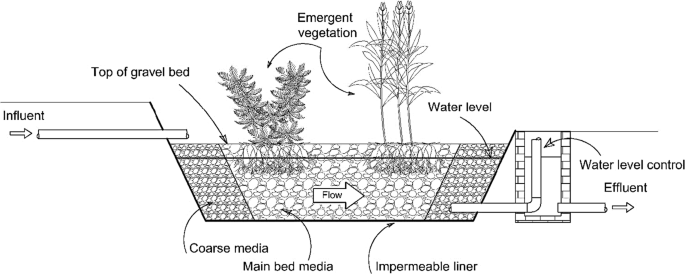
This system ensures that there is maximum contact between the plant roots and the dirty water. The water at the end of this system is much cleaner after taking maximum benefit from the microorganisms on the plant roots. To know more about greywater recycling systems you can visit here.
Setting Up Plant-Based Water Filter For Black Water Recycling
A different version of wetland plant water treatment is used to treat the black water. This setup is known as eco machine or living machine as many living organisms are involved in the treatment of the water.
For the treatment of black water in the wetland water treatment plant, the water flows through a series of tanks. It starts with water entering a septic tank, the solids in the waste settle down at this point. At this point, you can collect the biogas which is emitted as waste decomposes. The biogas can be used in your kitchen for cooking purposes.
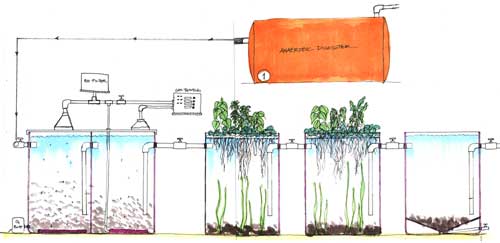
After this tank water goes into another anaerobic tank that has no oxygen in it. This helps the tank helps in further break the sludge waste material. After the anaerobic tank, the water is moved into another tank with a radically different environment.
This next tank is full of plants where oxygen is actually pumped into the water. So, a lot of biological activities happen in this tank. The water gets filtered in this tank because a lot of biological activity is happening here. The wetland plant roots with lots of microorganisms help break down lots of material and absorb some up into their stems.
The water gets filtered through the microorganisms present on the roots of these awesome wetland plants. The water is passed through successive tanks where oxygen is pumped into the water with all sorts of aquatic plants and animals. So, essentially the water is forced through a super biologically active filter for maximum filtration.
The water into these tanks should flow directly to the bottom and out from the top for maximum filtration in successive tanks.
The size of the system depends upon the amount of water being treated and the number of days needed to clean the water. If the water spends one day in each tank, then it would take 5 days for the water to move through the entire system. And biological activities to take place for the treatment of the water.
Conclusion
There are many setups that can be made for recycling grey water or black water. It all depends upon the amount and kind of water that needs to be recycled. You can design a water recycling plant using plants after considering all the factors.


Comments
Comments are disabled for this post