
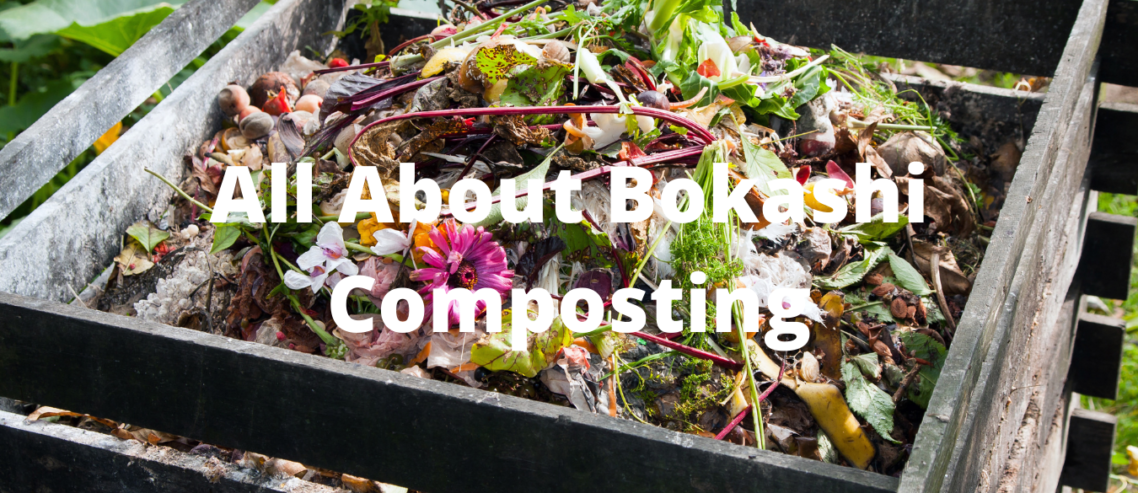

All About Bokashi Composting
If you are aspiring to live an eco-friendly life and grow your own vegetable and fruits. Then no doubt you might have heard about composting. There are many ways by which you can practice composting.
Different types of composting
- On-Site Composting
- Vermi Composting
- Windrow Composting
- Static-Pile Composting
- In-vessel Composting
All these composting methods require different materials and equipment to create compost like vermicomposting requires red worms to break down organic materials. Similarly, Bokashi composting is a method of composting organic waste using an anaerobic process. In this process, waste is not decomposed instead, the bacteria ferment it.
Read on for details about how bokashi composting works.
Bokashi Composting
Dr. Teuro Higa, a professor at the University of Ryukyus, Japan developed Bokashi method of composting. Bokashi means “fermented organic matter” in Japanese. Being true to its name, this process involves the fermentation of waste instead of decomposition.
In this method of composting, all sorts of kitchen waste be it vegetables, fruits, dairy or meat can be put into a bokashi bucket along with bokashi inoculant. The bokashi inoculant mostly comprises a mixture of specialist bacteria like lacto acid bacteria, photosynthetic bacteria, and yeast. The bacteria help in kick-starting the fermentation process of converting organic waste into compost.
The bokashi inoculant can comprise either wheat germ, wheat bran, or sawdust along with molasses and effective microorganisms (EM). The microorganisms feed on bran/molasses for food and speed up the process of fermentation. You can create your own mixture or buy a readymade bokashi inoculant mixture to get started with composting. Visit here to buy the bokashi mixture.
Pro of Bokashi Composting
- In bokashi composting dairy and meat wastes can be used unlike other form of composting.
- You can do Bokashi composting in small spaces.
- You will be generating highly nutrient compost using the bokashi method of composting
- It also generated liquid compost that you can directly fed to the plants.
Cons of Bokashi Composting
- The compost material produced is a fermented material that can’t be directly put into the garden. It needs to be buried in the trenches of the garden or added to a compost heap for further breakdown.
- You would need a specially designed airtight bucket with ability to drain off the liquid that is generated.
Getting Started with Bokashi Composting
Bokashi composting method is one of the least expensive methods of composting. To get started with composting, you would need a Bokashi Composting bin, Inoculant, and Kitchen waste.
Read on for further details about the required material
1. Composting Bin or Bucket with Tight Fitted Lid
To start the composting process, you would need a tight lid fitted bin or bucket with the ability to drain the liquid generated. There are many custom build buckets available that lift the food waste above the liquids that get deposited at the bottom.
Check out here for different bokashi composting buckets available and visit here to check the list of best compost bins to have at home.
You can also create your own Composting bin by using an old plastic bucket. You can get the bucket and add a tap at bottom of the bucket to collect the liquid. Also, you can add an iron mesh or something similar inside the bucket just above the tap point to separate the liquid easily.
With a bucket ready to create compost, you are good to start with creating the bokashi compost of your kitchen waste.
2. Bokashi Inoculant
After buying or setting up the bucket for composting, you now need to introduce specialized bacteria that will help make compost of kitchen waste. Many of the bokashi buckets that you might buy comes with their pack of bokashi bran. You can separately buy these bokashi brans to get started with creating your compost.
You can also make your own inoculant by using either wheat germ, wheat bran, or sawdust along with molasses and effective microorganisms (EM). Although you can use the bacteria used to make curd they create a foul smell. The specialized bacteria used to create bokashi compost creates a less foul odor. Using the right kind of specialized bacteria will help you prepare better compost.
3. Kitchen Waste
Kitchen waste is the main ingredient when it comes to creating compost. The main advantage of bokashi composting is you can add all sorts of kitchen waste including meat, dairy, and oil. You need to add a layer of inoculant and compress the material every time you add waste.
Things To Be Taken Care While Bokashi Composting
You can add all sorts of kitchen waste when composting using the bokashi method. But there are certain things that you need to take care of while composting using the bokashi method.
- The anaerobic bacteria used in bokashi composting works without oxygen. So, you need to make sure that the composting bucket is tightly sealed.
- The liquid generated while composting needs to be drawn from the bucket regularly. This liquid can be used as fertilizer for the plants and can also be used for cleaning toilets and drain pipes.
- You need to add generous amount of inoculants every time you add waste into the bin.
- The first part of composting process is complete in two weeks’ time. At this time, the compost is acidic in nature and can damage plant roots. You need to bury this pre-compost in the trenches of the garden for it to be ready for use for plants.
- In case you have limited space, you can simply put this pre-compost into traditional compost piles instead of burying. Bacteria already decomposed this pre-compost by this time, for it to be safe to be used with traditional composting.
Conclusion
Bokashi composting is a Japanese method that helps you in creating compost, especially in space where space is limited. This method of composting is getting popular in urban areas, as it is an easy way to get started with composting at home.
Read more here about the benefits of composting kitchen waste and visit here to read more about the best compost bins to have at home.


Comments
Comments are disabled for this post