
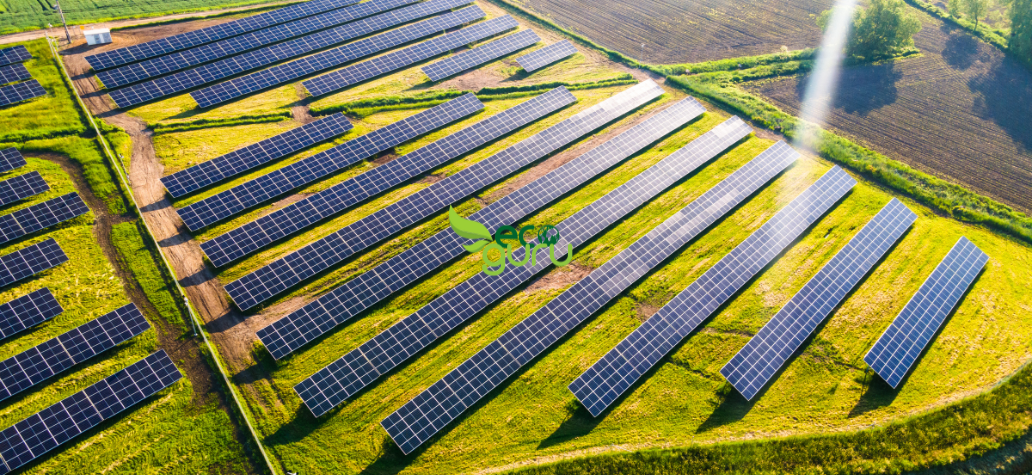

Solar Farms: Harnessing Renewable Energy on a Large Scale
In the wake of pressing environmental concerns and the quest for cleaner, greener energy sources, the significance of renewable energy in India cannot be overstated. As we delve into the topic of solar farms, you’ll discover just how relevant and impactful this technology is for your daily life, your community, and the entire nation.
The Rise of Solar Farms in India
India has witnessed a remarkable transformation in its energy sector over the past few decades, with solar energy adoption taking center stage. The growth of solar farms has been nothing short of extraordinary. As the world moves towards a more sustainable future, India has positioned itself as a global leader in solar energy production.
We’ll take you through the exciting journey of how solar energy has gone from being a niche technology to a mainstream powerhouse in India. Along the way, we’ll highlight key milestones and groundbreaking developments that have shaped the solar energy sector. By the end of this section, you’ll have a profound appreciation for the immense potential of solar farms in powering India’s bright future.
Stay with us as we delve deeper into the mechanics, benefits, and challenges of solar farms, and discover how you can be a part of this green revolution.
How Solar Farms Work?
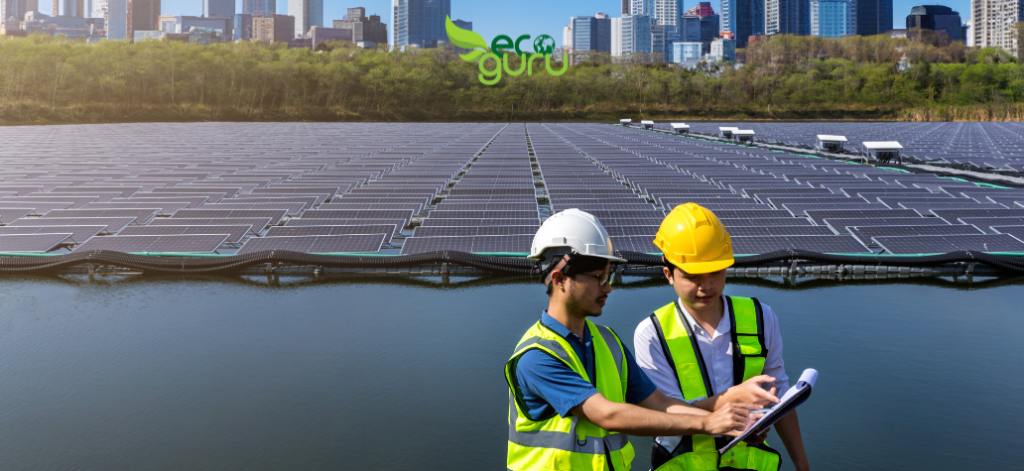
Now, let’s dive into the fascinating world of how solar farms harness the sun’s energy to power our lives sustainably.
Functioning of Solar Panels and Arrays: At the heart of every solar farm are photovoltaic (PV) panels. These panels are made up of countless solar cells that capture sunlight and convert it into electricity. Each solar cell consists of two layers of semiconductors, typically made from silicon. When sunlight strikes these cells, it excites electrons in the semiconductor material, generating a flow of electricity. This process is known as the photovoltaic effect, and it’s the magic that transforms sunlight into a clean source of power.
Conversion of Sunlight into Electricity: Solar panels, organized in arrays, work together to capture sunlight effectively. They are mounted at an optimal angle to maximize sun exposure. The electricity generated by these panels is direct current (DC), which is then converted into alternating current (AC) through inverters. This AC electricity can seamlessly integrate into the existing power grid or be used locally to meet energy needs.
Benefits of Solar Farms

Solar farms offer a multitude of benefits, making them a vital component of India’s sustainable energy future.
Environmental Advantages: Solar farms are a clean and green energy source, producing no harmful emissions or pollutants. By harnessing the power of the sun, they contribute significantly to reducing greenhouse gas emissions, mitigating climate change, and improving air quality. India’s commitment to solar energy aligns with global efforts to combat environmental challenges.
Economic Benefits and Job Creation: The solar energy sector is not just about clean power; it’s also an economic powerhouse. Solar farms create jobs across various stages of development, from manufacturing and installation to maintenance and operation. India’s investment in solar energy promotes economic growth and enhances energy self-sufficiency.
Role in Energy Security: Solar farms play a pivotal role in enhancing energy security for India. By diversifying the energy mix and reducing dependence on fossil fuels, they help ensure a stable and reliable power supply. This is particularly crucial in a nation striving for energy independence and resilience.
Challenges and Solutions
While the potential of solar farms is immense, their implementation does come with a set of challenges. Let’s explore these hurdles and the innovative solutions that are driving the industry forward.
Common Challenges in Solar Farm Implementation
Land Acquisition: Finding suitable land for solar farm projects can be a logistical challenge.
Intermittency: Solar power generation is dependent on sunlight, which varies throughout the day and with weather conditions.
Storage: Storing excess energy for nighttime or cloudy days is crucial for a reliable power supply.
Practical Solutions and Advancements in Technology
Land Use Optimization: Innovations like dual-use solar agriculture, where land is used for both farming and solar panels, maximize land efficiency.
Energy Storage Solutions: Advancements in battery technology are addressing the intermittency issue by enabling energy storage for later use.
Grid Integration: Smart grid technologies help balance solar power supply with demand.
How India is Addressing These Challenges?
Government Initiatives: Schemes like the Pradhan Mantri Kisan Urja Suraksha evam Utthan Mahabhiyan (PM KUSUM) promote solar installation in agriculture and rural areas.
Research and Development: Indian institutions are actively engaged in research to improve solar technology and grid integration.
International Collaboration: India is collaborating with other nations to learn from their experiences and adopt best practices.
Solar Farms Across India
India’s solar revolution is not limited to a single region; it’s a nationwide phenomenon. Here’s a glimpse of solar farms making a difference in various parts of the country.
Notable Solar Farm Projects in Different Regions
Rajasthan’s Bhadla Solar Park: One of the largest solar parks in the world, showcasing Rajasthan’s solar potential.
Tamil Nadu’s Kamuthi Solar Power Project: A massive solar farm in southern India, setting new records for solar power generation.
Gujarat’s Charanka Solar Park: A pioneering project that symbolizes Gujarat’s commitment to solar energy.
FAQs (Frequently Asked Questions)

What is a solar farm, and how does it work?
A solar farm is a large-scale installation of solar panels that harness sunlight to generate electricity. Solar panels contain photovoltaic cells that convert sunlight into electrical power.
How efficient are solar panels, and what factors affect their efficiency?
Solar panel efficiency varies but typically ranges from 15% to 22%. Factors influencing efficiency include sunlight intensity, panel orientation, shading, and temperature.
Can I install solar panels on my roof, or do I need to invest in a solar farm?
You can install solar panels on your roof for residential use, while solar farms are larger installations that supply electricity to the grid or communities.
What are the environmental benefits of solar farms?
Solar farms reduce greenhouse gas emissions, combat climate change, and improve air quality by generating clean energy without harmful emissions.
Are there any government incentives or subsidies for solar farm installation?
Yes, the Indian government offers incentives and subsidies for solar energy projects, such as the Solar Energy Corporation of India (SECI) and the Pradhan Mantri Kisan Urja Suraksha evam Utthan Mahabhiyan (PM KUSUM) scheme.
What challenges do solar farms face, and how can they be overcome?
Challenges include land acquisition, intermittency, and energy storage. Solutions involve dual-use land, energy storage technology, and smart grid integration.
How can I calculate the potential savings from installing solar panels at my home?
You can estimate savings by considering factors like your energy consumption, location, panel efficiency, and local solar incentives.
Where can I find more information and resources on solar farms and solar energy?
For in-depth information, you can explore government websites, industry publications, and renewable energy organizations.
Practical Tips for Individuals to Support Solar Energy
- Consider installing solar panels on your roof or property to generate clean electricity.
- Explore solar water heaters to reduce your reliance on conventional water heating methods.
- Support policies and initiatives that promote solar energy adoption in your community.
Conclusion
In wrapping up our journey through the realm of solar farms and renewable energy, let’s revisit the key insights that have emerged from this exploration:
Harnessing the Power of the Sun: Solar farms are the vanguard of a clean energy revolution, converting sunlight into electricity through photovoltaic panels and arrays.
India’s Solar Ascent: India’s remarkable progress in solar energy adoption has positioned the nation as a global leader, marked by significant milestones and a commitment to sustainability.
Environmental Guardians: Solar farms are champions of environmental sustainability, reducing carbon emissions, combating climate change, and enhancing air quality.
Economic Growth and Energy Security: These green powerhouses offer economic benefits and job creation, while also contributing to India’s energy security.
As we reflect on these takeaways, it’s evident that solar farms hold the key to a brighter and more sustainable future for India and the world. We encourage you to share your thoughts and experiences with solar energy in the comments section below. Your insights can inspire others on their journey towards a greener tomorrow.
Now, it’s time to take action and be part of the solar energy movement:
Share the Knowledge: If you found this blog post informative and insightful, please share it with your friends, family, and colleagues. Together, we can spread awareness about the power of solar energy.
Explore More: Dive deeper into the world of renewable energy by exploring related content on our blog. There’s always more to discover about the sustainable technologies shaping our future.
Check out other best solar products to use
- Best Solar Powered Products For Home In India
- Best Solar Powered Outdoor Lights In India
- Best Solar Water Heaters In India
- Best Portable Solar Charger And Power Bank
Also, check out this list of other eco-friendly products, that you can embrace to lead a eco-friendly lifestyle.


Comments
Comments are disabled for this post