
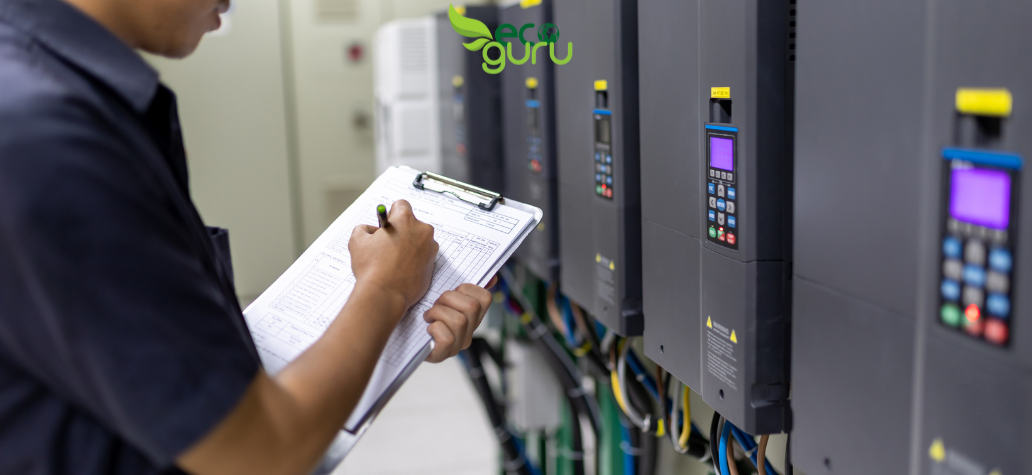

Understanding Solar Inverters: From Sunlight to Electricity
India, with its abundant sunshine, is on a remarkable journey towards harnessing the power of the sun to meet its growing energy needs. Solar energy has emerged as a beacon of hope in our quest for cleaner and more sustainable power sources. In a nation where sunlight is abundant throughout the year, solar power has the potential to revolutionize our energy landscape.
As we delve into the world of solar energy, it’s essential to understand the crucial role that solar inverters play in this transformative process. Solar inverters are the unsung heroes of solar power generation, responsible for converting the abundant sunlight that graces our nation into the electricity that powers our homes, industries, and lives.
Read on as we take you on a journey through the fascinating realm of solar inverters. You’ll gain insights into how they work, the different types available, and their significance in India’s sustainable energy future. Whether you’re a homeowner considering a solar installation or just curious about the magic behind solar panels, this post will shed light on it all.
So, let’s embark on this enlightening journey together and unravel the mysteries of solar inverters. Prepare to be amazed by the seamless transformation of sunlight into electricity and discover how you can be a part of India’s green energy revolution.
How Solar Inverters Work
The Photovoltaic (PV) System
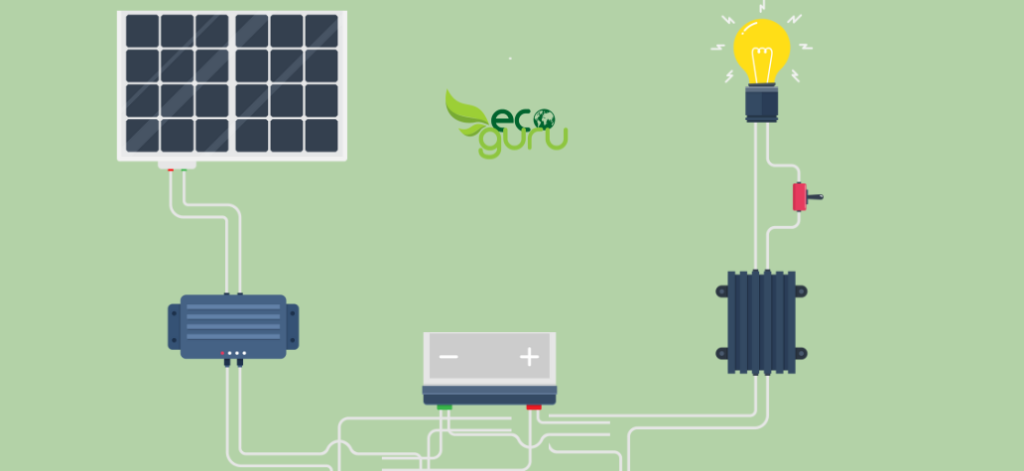
At the heart of solar power generation lies the remarkable photovoltaic (PV) system. This system consists of solar panels strategically positioned to capture the abundant sunlight that graces our nation. The term “photovoltaic” stems from the process through which solar panels work. When sunlight strikes these panels, they trigger a fascinating transformation.
The Role of Solar Panels in Generating DC Electricity
Solar panels are designed with photovoltaic cells that are primarily responsible for converting sunlight into electricity. These cells are made of semiconductor materials, typically silicon. When photons (particles of sunlight) hit the surface of these cells, they knock electrons loose from the atoms within the semiconductor material. This creates an electric current – direct current (DC), to be precise.
As a result, solar panels generate DC electricity, which is characterized by the flow of electric charge in a single direction. While DC electricity is suitable for some applications, it’s not the form of power we commonly use in our homes and businesses. This is where solar inverters come into play.
Introduction to the Function of Solar Inverters
Solar inverters are the unsung heroes of the solar power generation process. Their primary function is to convert the DC electricity generated by solar panels into alternating current (AC) electricity. AC electricity is the standard form of power used in our homes, offices, and industries.
Solar inverters accomplish this transformation through a process known as inversion. They rapidly switch the direction of electric current, creating the alternating flow that powers our appliances and lighting. This conversion is seamless and ensures that the electricity produced by solar panels is compatible with the electrical grid and the devices we use every day.
Benefits of Using Solar Inverters
The use of solar inverters in solar power systems offers a multitude of benefits. Firstly, it ensures the seamless integration of solar energy into our existing power infrastructure. This means that excess electricity generated during sunny days can be fed back into the grid, reducing energy bills and, in some cases, even generating income through feed-in tariffs.
Moreover, solar inverters enhance the reliability and stability of solar power systems. They have built-in features like Maximum Power Point Tracking (MPPT) that optimize energy production and ensure that your solar panels operate at peak efficiency. This results in higher energy yields and a quicker return on investment.
In addition, solar inverters often come with monitoring systems that allow homeowners and businesses to keep a close eye on their solar energy production. This real-time data empowers users to make informed decisions about their energy consumption and further reduce their reliance on conventional grid power.
Types of Solar Inverters
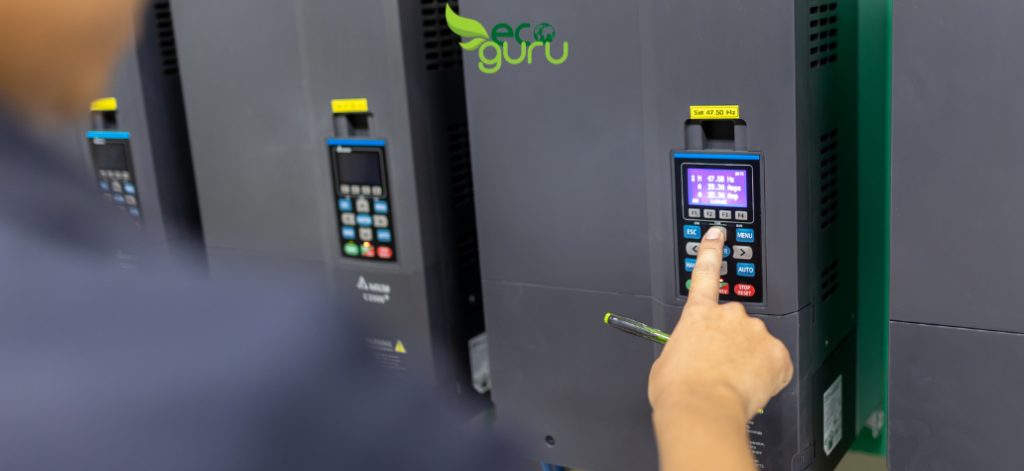
When it comes to harnessing solar power, not all solar inverters are created equal. There are several types of solar inverters available in the market, each with its unique characteristics and suitability for different applications. Let’s explore the most common types and delve into their advantages and disadvantages.
1. Central Inverters
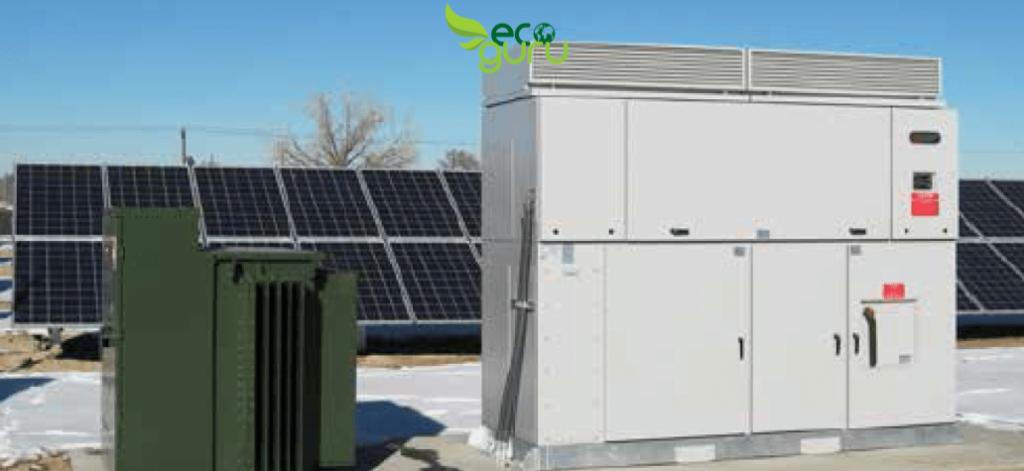
Advantages:
- Cost-effective for large-scale installations.
- Efficient at converting DC to AC power.
- Simplifies maintenance with a single unit to monitor.
Disadvantages:
- Vulnerable to shading and performance issues if one panel is affected.
- Reduced flexibility in system design due to centralized nature.
- Potential for downtime if the central inverter fails.
2. String Inverters
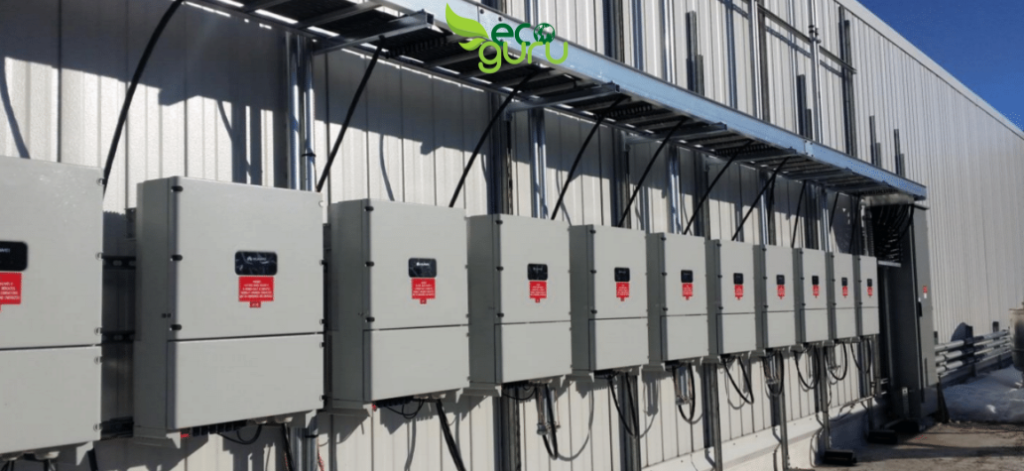
Advantages:
- Suitable for residential and commercial installations.
- Moderately priced with good efficiency.
- Partial shading on one panel doesn’t impact the entire system.
Disadvantages:
- The performance of the entire string is limited by the lowest-performing panel.
- Requires regular monitoring and maintenance to ensure optimal performance.
- Limited scalability compared to central inverters.
3. Microinverters
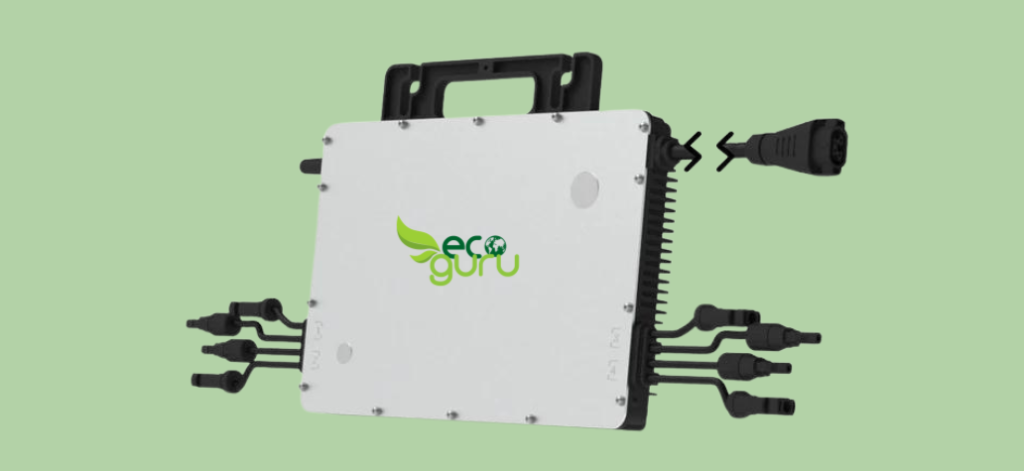
Advantages:
- Ideal for residential installations with varying shading conditions.
- Maximize energy production from each panel independently.
- Enhanced system reliability as issues with one panel don’t affect others.
Disadvantages:
- Higher upfront costs due to individual inverters per panel.
- Complex installation and maintenance due to multiple units.
- Limited compatibility with high-voltage systems.
4. Hybrid Inverters
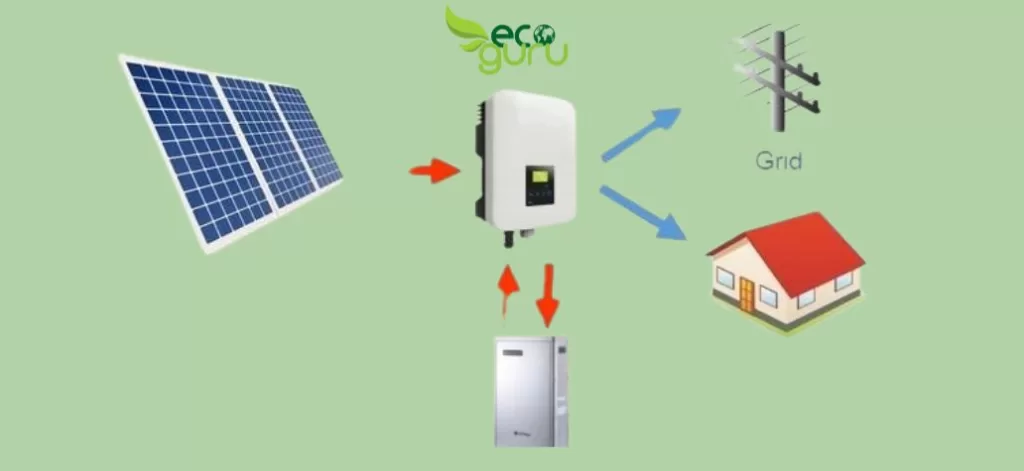
Advantages:
- Integrates solar, battery storage, and grid power seamlessly.
- Enables energy independence and backup power during outages.
- Smart energy management for optimized energy use.
Disadvantages:
- Relatively higher initial investment, especially with battery storage.
- Complexity in system design and installation.
- Requires additional maintenance and monitoring for batteries.
Choosing the right type of solar inverter depends on your specific needs, budget, and the conditions of your solar installation. For large-scale utility projects, central inverters might be the go-to choice. In contrast, residential users may find microinverters or hybrid inverters more appealing due to their adaptability and features.
Key Components of Solar Inverters
Understanding the key components of solar inverters is crucial in evaluating their performance and reliability. Let’s take a closer look at the essential elements that make solar inverters function effectively.
1. Input and Output Terminals
Input Terminals: These are the points where the DC electricity generated by your solar panels is connected to the inverter. High-quality input terminals ensure a secure connection, preventing energy loss and reducing the risk of electrical faults.
Output Terminals: On the other side, output terminals deliver the converted AC electricity to your home or the electrical grid. Reliable output terminals ensure a smooth transfer of power and minimal energy wastage during the conversion process.
2. Maximum Power Point Tracking (MPPT)
Maximum Power Point Tracking (MPPT) is a sophisticated technology embedded in modern solar inverters. It optimizes the performance of your solar panels by continuously tracking the point at which they produce the maximum power output. This ensures that even under varying sunlight conditions, your system operates at peak efficiency, maximizing energy production.
3. Inverter Efficiency
Inverter efficiency is a critical factor that directly impacts the overall performance of your solar power system. It’s the measure of how well the inverter converts DC electricity to AC electricity. Higher efficiency means less energy loss during conversion. Look for inverters with high-efficiency ratings to maximize your energy yield and savings.
4. Monitoring Systems
Many contemporary solar inverters come equipped with monitoring systems that allow you to keep a close eye on your solar power system’s performance. These systems provide real-time data on energy production, consumption, and system health. With this information, you can identify and address issues promptly, ensuring your system operates optimally over its lifetime.
5. Warranty and Maintenance
The reliability of your solar inverter is further safeguarded by the warranty and maintenance provisions offered by manufacturers. Before purchasing, check the warranty duration and what it covers. Additionally, inquire about recommended maintenance practices to keep your inverter in top condition. Regular maintenance can extend its lifespan and ensure consistent performance.
Understanding these key components empowers you to make an informed choice when selecting a solar inverter for your specific needs. Whether you’re looking for reliability, maximum energy production, or advanced monitoring capabilities, knowing what to look for in these components is essential in making the right decision for your solar power system.
Importance of Solar Inverters in India
India’s Solar Power Growth
India has witnessed an extraordinary surge in solar power adoption over the past decade. With an abundance of sunlight throughout the year, the nation’s solar energy potential is boundless. This growth is not merely a trend; it’s a strategic move towards achieving energy security, reducing carbon emissions, and bolstering sustainability.
As India embarks on a journey towards a greener and more sustainable future, solar power has emerged as a cornerstone of this transformation. The installation of solar power plants and rooftop solar systems has skyrocketed, making India one of the fastest-growing solar markets in the world.
Government Initiatives and Subsidies
Fueling this solar revolution are the proactive measures taken by the Indian government. Numerous initiatives and subsidies have been introduced to incentivize solar power adoption at both residential and commercial levels. Schemes like the Pradhan Mantri Kisan Urja Suraksha evam Utthaan Mahabhiyan (PM-KUSUM) and the Solar Rooftop Subsidy Scheme have made solar energy more accessible and affordable for the masses.
In addition to financial incentives, the government’s focus on policy reforms, net metering regulations, and grid integration has created an enabling environment for solar power growth. These measures not only encourage individuals and businesses to invest in solar but also pave the way for a more sustainable and resilient energy grid.
Solar Inverter’s Role in Addressing Energy Challenges
Amidst this solar renaissance, the role of solar inverters cannot be overstated. Solar inverters play a pivotal role in efficiently converting solar energy into electricity that can be seamlessly integrated into the grid or used on-site. Their ability to adapt to varying sunlight conditions, optimize power output, and ensure grid compatibility makes them indispensable in the Indian context.
Moreover, as India faces energy challenges such as frequent power outages and increasing energy demands, solar inverters equipped with energy storage capabilities are emerging as game-changers. Hybrid inverters, coupled with battery storage systems, provide a reliable source of power during blackouts and peak demand hours, reducing the burden on the grid and ensuring uninterrupted electricity supply.
In conclusion, solar inverters are not just devices; they are the linchpin of India’s solar energy revolution. They enable us to harness the limitless power of the sun, contribute to a sustainable future, and address the pressing energy challenges facing our nation. As solar power continues to illuminate our path toward a cleaner and brighter future, solar inverters will remain at the forefront of this transformative journey.
FAQs (Frequently Asked Questions)

Common Questions About Solar Inverters
What is a solar inverter, and how does it work?
A solar inverter is a crucial component of a solar power system. Its primary function is to convert the direct current (DC) electricity generated by solar panels into alternating current (AC) electricity, which is used to power our homes and businesses. This conversion is essential because most of our electrical appliances and the grid operate on AC power.
What are the different types of solar inverters?
There are several types of solar inverters available, including central inverters, string inverters, microinverters, and hybrid inverters. Each type has its advantages and disadvantages, making them suitable for various applications. Central inverters are cost-effective for large-scale installations, while microinverters are ideal for systems with shading issues and hybrid inverters integrate solar, battery storage, and grid power seamlessly.
How can I monitor the performance of my solar inverter?
Monitoring your solar inverter’s performance is essential to ensure it operates optimally. Many modern inverters have built-in monitoring systems that provide real-time data on energy production, consumption, and system health. You can also access this information through a mobile app or a web portal, allowing you to keep a close eye on your system’s efficiency.
Are there government incentives for installing solar inverters in India?
Yes, the Indian government offers various incentives and subsidies to promote solar power adoption, which includes the installation of solar inverters. Schemes like the Pradhan Mantri Kisan Urja Suraksha evam Utthaan Mahabhiyan (PM-KUSUM) and the Solar Rooftop Subsidy Scheme provide financial support to individuals and businesses who invest in solar power systems, making it more affordable and accessible.
What is the warranty and maintenance for solar inverters?
A: Solar inverters typically come with warranties ranging from 5 to 25 years, depending on the manufacturer and type. It’s essential to check the warranty duration and what it covers before purchasing an inverter. Regular maintenance is recommended to ensure your inverter’s longevity and performance. Maintenance may include checking connections, cleaning, and firmware updates, which can be carried out by trained professionals.
Can solar inverters work during power outages?
Most standard solar inverters do not work during power outages for safety reasons. However, hybrid inverters equipped with battery storage systems can provide backup power during blackouts. These systems store excess solar energy in batteries, allowing you to use it when the grid is down. It’s an excellent way to ensure uninterrupted power supply in areas with frequent power cuts.
Conclusion
Solar inverters are the linchpin of India’s solar power growth story. With our country’s abundant sunlight and the government’s relentless push towards cleaner energy sources, solar inverters are the enablers of change. They make solar energy accessible, reliable, and sustainable. Whether you’re a homeowner looking to reduce your energy bills or an entrepreneur aiming to harness the power of the sun for your business, solar inverters are at the heart of your solar power journey.
As you’ve discovered, solar energy is not just a buzzword; it’s a transformative force that can reshape the way we generate and consume power. Whether you’re considering a rooftop solar installation, a commercial solar power system, or even a solar-powered hybrid inverter for backup power during outages, there are options to suit your needs. The benefits extend beyond financial savings; they include reducing your carbon footprint, contributing to a greener India, and securing a more reliable power supply.
Check out other best solar products to use
- Best Solar Powered Products For Home In India
- Best Solar Powered Outdoor Lights In India
- Best Solar Water Heaters In India
- Best Portable Solar Charger And Power Bank
Also, check out this list of other eco-friendly products, that you can embrace to lead a eco-friendly lifestyle.


Comments
Comments are disabled for this post