

The Solar Revolution: Advantages of Solar Energy
Welcome to the future of clean and sustainable energy – solar power!
In today’s blog post, you will embark on a journey into the world of solar energy and its incredible advantages of solar energy, especially in the context of India.
As the world grapples with environmental challenges and the need for renewable energy sources, solar energy has emerged as a shining beacon of hope. This revolution in energy generation has gained tremendous momentum, and India is at the forefront of this transformative movement.
Solar Energy in India: Illuminating a Brighter Tomorrow
India, known for its diverse culture and rich heritage, is also rapidly becoming known as a pioneer in harnessing the power of the sun. With its abundant sunlight throughout the year, India is uniquely positioned to tap into the vast potential of solar energy.
As we delve deeper into this blog post, we’ll uncover the multitude of advantages that solar energy offers to the people and businesses of India. From cost savings and environmental benefits to achieving energy independence, solar energy is revolutionizing the way we power our lives and our nation.
So, buckle up for an enlightening journey through the solar revolution, and let’s explore the incredible advantages that await you in the world of solar energy.
Harnessing Solar Energy in India
In recent years, India has witnessed a remarkable shift in its energy landscape, with solar energy taking center stage. As the world increasingly acknowledges the need for cleaner and more sustainable energy sources, India has responded by embracing the solar revolution.
Solar Panels Everywhere

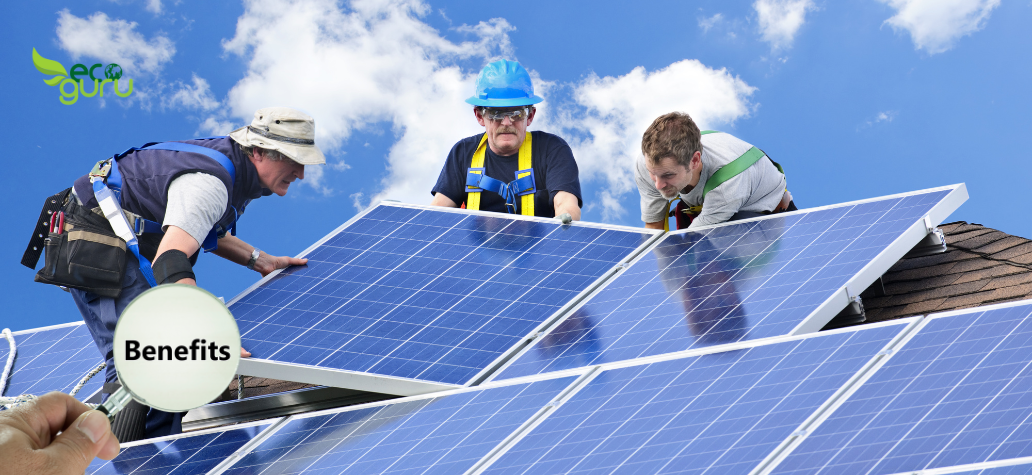
Walk through the streets of Indian cities, and you’ll notice an increasingly common sight – solar panels adorning rooftops, powering homes, offices, and even factories. The installation of solar panels has surged across the country, and this trend shows no signs of slowing down.
This surge is partly due to the Indian government’s ambitious initiatives and incentives aimed at promoting solar energy adoption. Subsidies, tax benefits, and supportive policies have made it more accessible and attractive for individuals and businesses to invest in solar energy solutions.
Solar Farms and Mega-Projects
It’s not just residential areas that are benefiting from solar energy. India boasts some of the world’s largest solar farms and mega-projects. These expansive installations generate massive amounts of clean energy and contribute significantly to the national power grid.
One such notable project is the Kamuthi Solar Power Project in Tamil Nadu, which ranks among the largest solar facilities globally. These large-scale endeavors showcase India’s commitment to transitioning to a greener and more sustainable energy future.
Job Creation and Economic Growth
Harnessing solar energy isn’t just about reducing carbon footprints; it’s also about boosting the economy. The solar industry has become a significant source of employment in India, creating jobs across the manufacturing, installation, and maintenance sectors. This growth is not only improving livelihoods but also contributing to India’s economic development.
As we move forward in this blog post, we will explore in greater detail the advantages that solar energy brings to both individual consumers and the nation as a whole. From significant cost savings to a cleaner environment and enhanced energy security, solar energy in India is a beacon of hope for a brighter and more sustainable future
Advantages of Solar Energy
When it comes to the advantages of solar energy, the benefits are as bright as the sun itself. Let’s explore how harnessing solar power can bring a ray of positive change into your life and contribute to a greener, more sustainable future.
Cost Savings: Powering Your Wallet

Imagine the joy of receiving your electricity bill and discovering that it’s significantly reduced. This is a reality for many solar energy users in India. Solar panels generate electricity from the sun’s abundant rays, allowing you to power your home or business with clean, renewable energy. The result? Substantial savings on your electricity bills over time.
Statistics reveal that solar energy users can enjoy savings ranging from 20% to 50% on their electricity expenses. These savings can vary depending on factors such as the size of the solar installation and local electricity rates. But one thing remains clear: solar energy is a cost-effective choice that pays off in the long run.
Environmentally Friendly: Reducing Your Carbon Footprint

India, like the rest of the world, faces the pressing challenge of reducing its carbon footprint. Solar energy is a powerful ally in this endeavor. By harnessing the sun’s energy, solar panels produce electricity without emitting harmful greenhouse gases or pollutants. This clean energy source significantly reduces your environmental impact and helps combat climate change.
Choosing solar power means supporting renewable energy sources, which play a vital role in the global transition to a sustainable future. It’s a step toward cleaner air, healthier ecosystems, and a planet that future generations can enjoy.
Energy Independence: Breaking Free from Fossil Fuels
One of the most remarkable advantages of solar energy is the reduced reliance on conventional energy sources, such as coal and oil. India’s energy security is strengthened as we shift away from fossil fuels and towards solar power. This transition reduces our vulnerability to fluctuating fuel prices and supply disruptions.
By generating your electricity from the sun, you become less dependent on external energy sources, promoting greater energy independence at the individual and national levels. This not only enhances energy security but also positions India as a more self-reliant and resilient nation.
As we continue our journey through the solar revolution, we’ll delve deeper into each of these advantages, uncovering the full spectrum of benefits that solar energy offers to India and its people. From economic savings to environmental stewardship and enhanced energy security, solar power is a beacon of hope for a brighter and more sustainable future.
Common Misconceptions About Solar Energy
As we journey deeper into the world of solar energy, it’s essential to address some common misconceptions that may be holding you back from embracing this sustainable power source. Let’s shed light on these myths and provide you with factual information to debunk them.
Myth 1: Solar Panels Are Too Expensive
Fact: While solar panel installation may have been expensive in the past, the cost of solar panels has significantly decreased over the years. Moreover, government incentives, subsidies, and financing options are available to make solar energy more affordable for homeowners and businesses. With the potential for substantial long-term savings on energy bills, solar panels are an investment worth considering.
Myth 2: Solar Panels Require Constant Sunlight
Fact: Solar panels don’t need constant, direct sunlight to generate electricity. They can still produce power on cloudy days or in partially shaded areas. Advances in technology have improved solar panel efficiency, making them a viable option in regions with varying weather conditions.
Myth 3: Solar Energy Is Unreliable
Fact: Solar energy systems can be highly reliable when properly installed and maintained. With the addition of battery storage solutions, you can have a consistent power supply, even during nighttime or grid outages. Solar energy is a proven and dependable source of electricity.
Myth 4: Solar Panels Require Frequent Maintenance
Fact: Solar panels are designed to be low-maintenance. Routine inspections and occasional cleaning to remove dust and debris are typically all that’s needed. Solar panel warranties often last for 25 years or more, ensuring long-term performance.
Myth 5: Solar Energy Is Only for Sunny Climates
Fact: Solar energy can be harnessed effectively in a wide range of climates, including those with varying levels of sunlight. India, with its diverse climate, is an excellent example of this. Solar panels can generate electricity even in regions with mild sunlight, making them a practical choice for most parts of the country.
Myth 6: Solar Panels Harm the Environment
Fact: On the contrary, solar panels are environmentally friendly. They produce clean electricity without emitting greenhouse gases or pollutants. The manufacturing process has become more sustainable, and recycling programs are in place to reduce waste. Solar energy plays a crucial role in reducing carbon footprints and combating climate change.
By dispelling these misconceptions, we hope to provide you with a more accurate understanding of solar energy’s potential. It’s a reliable, cost-effective, and environmentally responsible choice for powering your life and contributing to a sustainable future. As we continue our exploration of the solar revolution, we’ll uncover even more benefits and opportunities that await you
FAQs (Frequently Asked Questions)

In this section, we’ll address some of the most common questions that readers often have about solar energy. Whether you’re considering going solar or simply curious about how it all works, we’re here to provide you with clear and informative answers.
1. How do solar panels work?
Solar panels work by harnessing the power of sunlight and converting it into electricity. They are made up of photovoltaic (PV) cells, which contain semiconductors that can absorb sunlight. When sunlight strikes these cells, it excites electrons, creating an electric current. This direct current (DC) electricity is then converted into alternating current (AC) electricity using an inverter, making it usable for your home or business.
2. What is the cost of installing solar panels?
The cost of installing solar panels can vary depending on several factors, including the size of the system, your location, and the type of solar panels you choose. On average, the cost of a residential solar panel installation in India can range from [Insert Cost Range] per kilowatt (kW). However, it’s important to note that government incentives, subsidies, and financing options can significantly reduce the upfront cost.
3. What government incentives are available?
The Indian government offers several incentives to encourage the adoption of solar energy. These incentives may include subsidies, tax benefits, and net metering policies. The specific incentives available to you may vary depending on your location and the type of solar installation. It’s advisable to check with local authorities and solar installers for details on available incentives in your area.
4. Is solar energy suitable for all regions in India?
Solar energy is suitable for most regions in India, thanks to the country’s abundant sunlight. While some areas receive more sunlight than others, solar panels can still be effective in regions with varying weather conditions. Advances in solar technology have made it possible to generate electricity even on cloudy or partially shaded days.
5. How long does a solar panel system last?
Solar panel systems are designed to last for a long time. Most solar panels come with warranties that extend for 25 years or more. The actual lifespan of a solar panel system can exceed these warranties, with many systems continuing to produce electricity effectively for 30 years or more. Regular maintenance can help maximize the system’s lifespan.
These frequently asked questions provide valuable insights into the world of solar energy. If you have more questions or are considering making the switch to solar power, don’t hesitate to reach out to local solar experts who can provide tailored guidance based on your specific needs and location. Solar energy is a bright and sustainable choice, and understanding the basics can empower you to make informed decisions for a cleaner and more energy-efficient future.
Conclusion
In closing, the advantages of solar energy in India shine as brightly as the sun that powers it. Our journey through the solar revolution has illuminated the incredible benefits that this sustainable energy source offers to individuals, businesses, and the nation as a whole.
As we encourage you to consider solar energy, we invite you to envision a world where clean, renewable power is within reach of all. India’s solar journey is a testament to the remarkable potential of solar energy in improving lives, driving economic growth, and preserving our planet for future generations.
By choosing solar energy, you not only invest in your well-being but also become a part of a larger movement towards sustainability. So, whether you’re a homeowner, a business owner, or someone simply curious about solar power, take the first step towards a brighter and cleaner future. Explore the possibilities, discover the benefits, and join us in the solar revolution.
The sun is shining, and the future is bright. Embrace solar energy, and together, we can power a greener and more sustainable India.
Check out other best solar products to use
- Best Solar Powered Products For Home In India
- Best Solar Powered Outdoor Lights In India
- Best Solar Water Heaters In India
- Best Portable Solar Charger And Power Bank
Also, check out this list of other eco-friendly products, that you can embrace to lead an eco-friendly lifestyle.


Comments
Comments are disabled for this post