

Eco-Conscious Consumerism: Choosing the Right Products
Introduction: Embracing Sustainable Choices for a Greener Future
In today’s world, where environmental concerns are at the forefront, eco-conscious consumerism has become increasingly important. As a consumer, you have the power to make a positive impact on the environment through the products you choose to buy.
By opting for sustainable and environmentally friendly options, you can contribute to a greener future and reduce your carbon footprint. Read on to explore the concept of eco-conscious consumerism and provide valuable insights into choosing the right products that align with your environmental values.
Eco-Conscious Consumerism: What Is It All About?
Before you dive into the realm of sustainable products, let’s first understand what eco-conscious consumerism entails. Simply put, it refers to making mindful purchasing decisions that consider the environmental impact of the products you are buying. It involves actively seeking out eco-friendly alternatives and supporting companies that prioritize sustainability.
Why Should You Care About Eco-Conscious Consumerism?

Embracing eco-conscious consumerism offers a lot of benefits for both individuals and the planet. Here you can find a few of the most compelling reasons why you should care about making sustainable choices:
- Preserving the Environment: By opting for eco-friendly products, you contribute to the preservation of natural resources, reduce pollution, and mitigate climate change.
- Healthier Living Spaces: Sustainable products often contain fewer harmful chemicals and toxins, creating healthier environments for you and your loved ones.
- Supporting Ethical Practices: Many sustainable companies prioritize fair trade, responsible sourcing, and ethical production methods, which promote social justice and workers’ rights.
- Economic Impact: Eco-conscious consumerism stimulates the growth of sustainable industries, leading to job creation and a stronger economy.
You can read more about the rise of eco-friendly products here.
Choosing the Right Products: A Guide to Eco-Conscious Consumerism
Now that you understand the significance of eco-conscious consumerism, let’s explore practical tips for selecting the right products that align with your values.
Here’s how you can make informed choices while minimizing your impact on the environment:
#1. Research and Educate Yourself
Before making any purchase, invest some time in researching and understanding the environmental impact of the products you intend to buy. Look for certifications, such as organic, fair trade, or energy-efficient labels, which indicate sustainable practices.
#2. Prioritize Quality and Durability
One of the pillars of eco-conscious consumerism is to opt for products that are built to last. Instead of buying items with planned obsolescence, choose high-quality products that are durable and can be repaired or recycled.
#3. Use Minimal Packaging
Excessive packaging contributes to an unnecessary increase in waste. When possible, choose products with minimal packaging or packaging made from recycled materials. Additionally, consider buying in bulk or in reusable containers instead of plastic bags to reduce overall packaging waste.
#4. Choose Renewable and Recyclable Materials
Give preference to products made from renewable materials such as bamboo, organic cotton, or recycled plastic. Make sure that whatever product you use is used multiple times and is not a single-use product. Additionally, ensure that the products can be easily recycled or composted at the end of their lifecycle.
#5. Consider Energy Efficiency

When purchasing electronics or appliances, look for energy-efficient models with high Energy Star ratings. These products consume less energy, resulting in reduced greenhouse gas emissions and lower utility bills.
#6. Support Local and Sustainable Brands
Use locally sourced products whenever possible to reduce the carbon footprint associated with transportation. Additionally, always support brands that have a strong commitment to sustainability and environmental stewardship.
#7. Avoid Single-Use Products
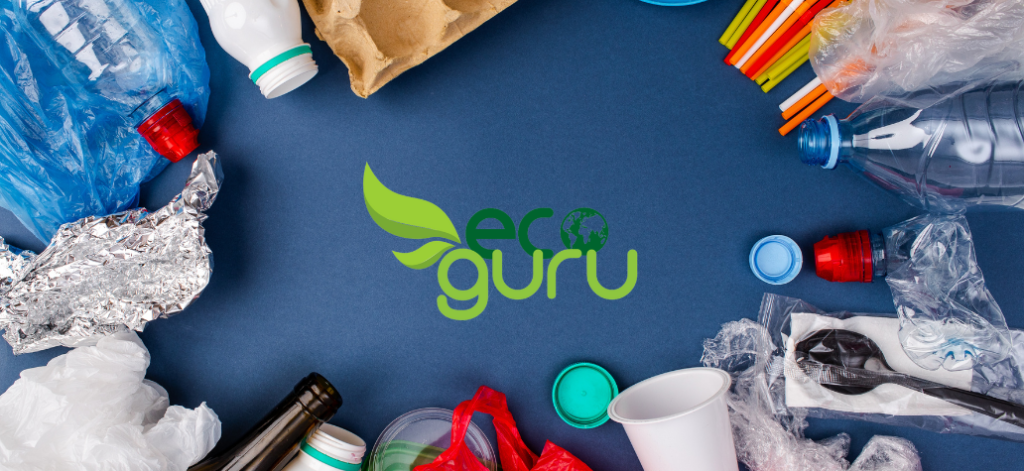
Single-use items, such as plastic water bottles or disposable cutlery, contribute to the mounting waste crisis. Choose reusable alternatives like stainless steel water bottles and bamboo utensils to minimize waste generation. Check out this list of eco-friendly products to help you reduce the use of single-use products.
#8. Consider the Lifecycle Impact
Evaluate the entire lifecycle of a product, from its production to disposal. Assess how it is made, used, and disposed of, considering factors like energy consumption, water usage, and the potential for recycling or repurposing.
#9. Check for Cruelty-Free and Vegan Certifications
For those concerned about animal welfare, look for cruelty-free and vegan certifications when purchasing personal care or household cleaning products. These labels ensure that the products were not tested on animals and do not contain any animal-derived ingredients.
#10. Follow the 3 Rs: Reduce, Reuse, Recycle
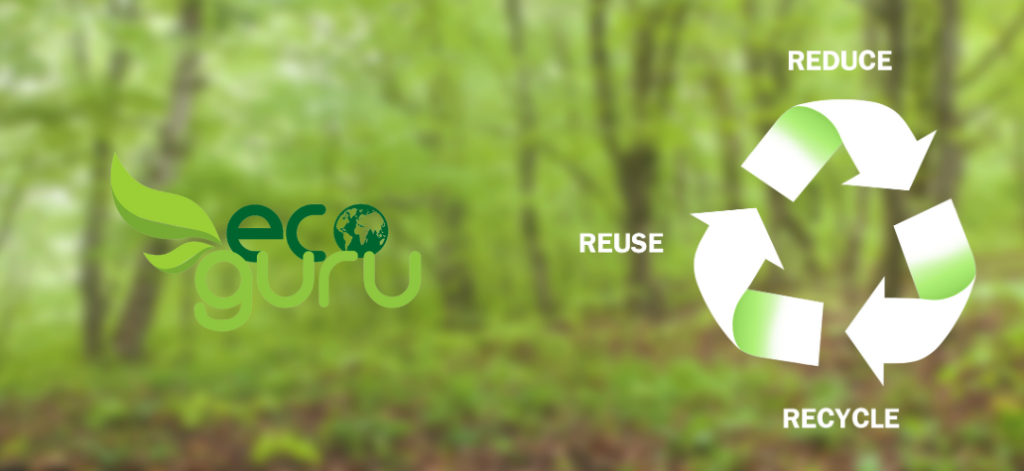
The mantra of “reduce, reuse, recycle” still holds immense value in eco-conscious consumerism. Prioritize reducing consumption, reusing items, and recycling whenever possible to minimize waste generation.
Conclusion: A Greener Future Starts with You
Embracing eco-conscious consumerism is not a daunting task but rather a series of small choices that, when combined, can create a significant positive impact on our planet.
By choosing sustainable products, we contribute to the preservation of the environment, promote ethical practices, and inspire others to follow suit.
Every time you go out to purchase something, remember, it is your opportunity to shape a greener future for generations to come. So, let’s make conscious choices, empower ourselves with knowledge, and pave the way for a more sustainable and eco-friendly world.
FAQs about Eco-Conscious Consumerism:
#1. How can I incorporate eco-conscious consumerism into my daily life?
You can start by evaluating your purchasing habits, researching sustainable alternatives, and gradually replacing conventional products with eco-friendly options. Small changes, such as using reusable shopping bags or switching to energy-efficient light bulbs, can make a significant difference. Always remember that every time you purchase, it is an opportunity for you to take a step towards becoming an eco-conscious consumer.
#2. Are sustainable products more expensive?
While sustainable products can sometimes have a higher upfront cost, they often provide long-term cost savings. For example, energy-efficient appliances can lower your utility bills, and reusable products eliminate the need for continuous repurchases.
#3. Can I trust green labels and certifications?
Green labels and certifications can be helpful guide, but it’s important to research and understand what each certification entails. Look for well-known and reputable certifications that have rigorous standards and transparent verification processes.
#4. Is eco-conscious consumerism only about buying products?
No, eco-conscious consumerism encompasses more than just purchasing decisions. It also involves reducing waste, conserving resources, and advocating for sustainable practices in all aspects of life, such as energy usage, transportation, and food choices. You can visit here to read about tips to become an eco-friendly consumer.
#5. How can I spread awareness about eco-conscious consumerism?
You can spread awareness by sharing your knowledge with friends, family, and social media followers. Engage in conversations about sustainability, participate in community events, and support organizations working towards a greener future. Best of all, practice eco-conscious consumerism and become an example for people to follow.
#6. What if sustainable options are not readily available in my area?
If sustainable products are not easily accessible in your area, consider exploring online platforms that offer a wide range of eco-friendly alternatives. Additionally, reach out to local businesses or organizations to express your interest in sustainable products, as this can encourage them to stock such items. Also, remember buying local produce is a step towards eco-conscious consumerism.


Comments
Comments are disabled for this post