
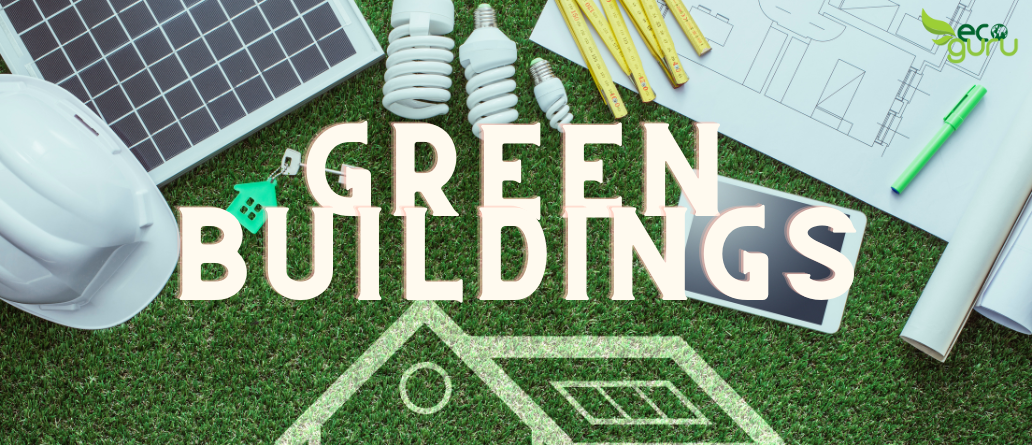

All About Green Buildings
Green Buildings are essentially buildings that are constructed while keeping a check on their environmental impact. There are several benefits of such buildings like reduced operation costs, and conservation of natural resources, among many others.
Read on to dive deep into understanding green buildings along with their benefits and drawbacks.
What Exactly Is a Green Building?
Green building refers to any structure or building that has zero negative impact on the surrounding environment. For a building to qualify as a green building, eco-friendly building materials with little to no environmental impact should be used for construction.
Sustainable buildings or eco-friendly buildings are other names for green buildings. The construction of a sustainable building goes beyond just constructing green walls. It, also, involves efficient use of electricity and water, as well as utilizing nature to regulate the building temperature, be it heating or cooling.
The primary goal of a green building is to minimize the negative impact of construction on the environment and human health. By adopting eco-friendly practices, green buildings can contribute to a healthier and more sustainable future.
The buildings with the following features can be considered green buildings.
- Extensive use of natural lighting.
- Efficient use of power, water, heat, or cooling.
- Use of renewable energy sources like solar or wind.
- Religiously following the practice of recycling and reusing.
- System to reduce pollution and minimize waste production.
- The building should maximize the use of non-toxic, and sustainable materials.
- The design, construction, and operation of the building are such that it minimizes the impact on the environment.
There are no fixed criteria for the building to be called a green building. Requirements for the building vary depending on the region, location, and other factors. However, the key consideration is that buildings should have minimal to zero impact on the environment.
Next, you might have questions regarding why you need a green building. Read on as I try to answer exactly that.
Why Build Green Buildings?
Climate change is an undeniable reality, and further denial of its existence is a waste of crucial time. The effects of climate change are already visible, as some Indian states are experiencing extensive heat waves and others are facing floods. We are on the brink of crisis, unless we take action soon, we may reach the point of no return.
One of the leading causes of pollution in urban areas is construction-related activities. The production of concrete, which is a vital component of construction, is also one of the most polluting aspects of the whole construction process. In addition, the natural resources used in construction like sand are also running out.
If we don’t make the switch to using green construction buildings for constructing green buildings we all soon won’t have a planet to live on soon.
This makes the green building essential for a better and cleaner future.
Let’s now further dive into understanding the advantages of green buildings.
Advantages Of Green Buildings
#1. Economical
Green buildings are primarily characterized by their efficient use of resources, resulting in reduced energy and water consumption, and subsequently, lower operational and maintenance costs.
While it is true that the initial costs of a green building may be higher than any conventional building, the investment can be recovered within 3-4 years due to the substantial amount of resources saved.
Opting for green building practices, will not only help you do your bit for the environment but also help you save money in the long run.
Here is the list of eco-friendly building materials.
#2. High Efficiency
When constructing a green building, it is essential to prioritize the efficient utilization of energy and water while relying on clean and sustainable energy sources. Solar panels are among the popular choice for sustainably generating energy from the Sun.
Green building design emphasizes the utilization of natural lighting to reduce the dependence on artificial lighting. This can be achieved by allowing sunlight to enter the building and optimizing its distribution throughout the interior. Water is also used efficiently by utilizing waste water for plant irrigation or processing it through biological filters for reuse.
Various techniques for rainwater harvesting and water conservation are used in green building practices to maximize water utilization and minimize the impact on the climate.
#3. Better Health
Green buildings are constructed with the primary goal of improving the environment. That includes providing clean air and water for occupants to breathe and drink. By residing in a green building, occupants are exposed to less pollution, resulting in better health outcomes.
Many construction materials, such as paint and concrete are major sources of construction pollution. Inhaling such pollutants can be harmful to health, and can lead to severe health problems. However, green buildings use environmentally safe material that helps limit exposure to toxins. This creates a healthier environment for those involved in construction and occupants of the building.
#4. Water Conservation
Water is a crucial resource for our survival and its wastage is amongst the biggest concerns. Since green buildings are built to optimize the utilization of resources including water, which automatically contributes to water conservation efforts.
By installing water harvesting systems, green buildings can capture and store rainwater for reuse, maximizing the use of this valuable natural resource.
The harvesting of rainwater also helps in making efforts toward groundwater recharge. And getting maximum benefits from the natural resources. Additionally, rainwater also contributes to groundwater recharge which allows optimal utilization of natural resources.
#5. Better Mental Health
Green buildings prioritize everything related to the environment. Including planting trees and creating safe nesting places for birds. This ensures you are always exposed to nature and its sounds of nature. Instead of the constant sounds of car horns and loud noises.
This regular exposure to nature and its calming sounds promotes a sense of calm and peace. Leading to you having better mental health by living in a green building.
#6. Environment Preservation
The primary advantage of green building is the preservation of the natural environment. These green buildings are constructed to minimize the damage to the climate. Which is done by optimizing the use of natural resources and minimizing waste generation.
Green buildings contribute to creating a green surrounding and help preserve the natural habitats of flora and fauna. This promotes the conservation of the natural environment and makes the sustainable co-existence of human beings with the surrounding ecosystem possible.
Disadvantages Of Green Buildings
Now that you have gained knowledge about the benefits of green buildings, it’s time to move forward and explore some of their drawbacks.
#1. High Initial Cost
The biggest disadvantage of constructing a green building is its high cost. Even though long-term benefits like a cleaner environment and reduced carbon footprint, are substantial.
If you choose to implement new eco-friendly technologies in your building design it may increase the cost further. As these materials can be scarce and costly. Additionally, constructing a green building can be a time-consuming process resulting in higher labor costs and increased overall expenses.
#2. Location
Identifying the appropriate location for the construction of an eco-friendly building is a significant challenge. Green buildings rely on utilizing natural light and air to their full extent. So building location should be such that it maximizes the use of these resources.
Locating the ideal location for the construction of a green building can be time-consuming. Since it is critical to avoid selecting a site that receives minimal sunlight. If constructed in the wrong location, you might not be able to reap the full benefits of the natural resources. This makes the selection process crucial for receiving optimal results.
#3. Longer Construction Time
Constructing a green building is a time-consuming process that requires a lot of planning and designing before construction can begin. Even after the construction starts it takes longer time than any conventional building as attention to detail is required.
The overall time required for constructing a green building can be three more than any conventional building.
#4. Limited Workforce
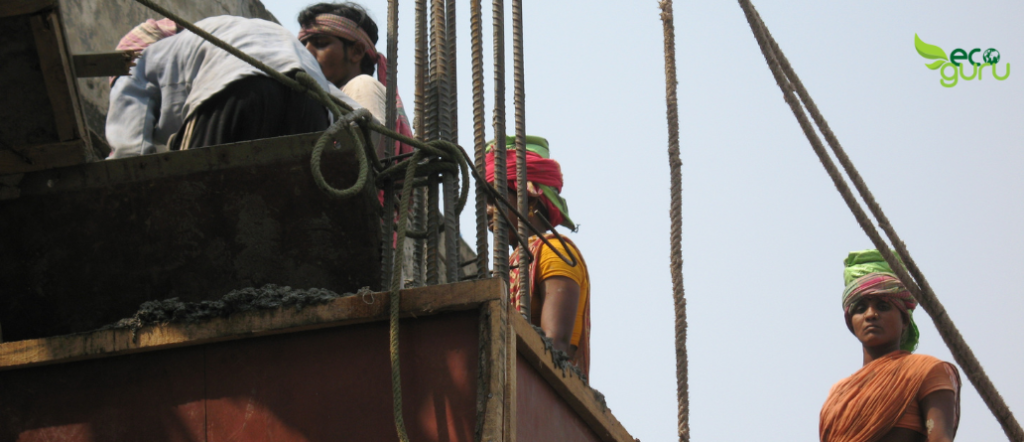
Building a green building can be challenging due to the scarcity of workers with the required experience for the construction of such buildings. This shortage of experts can lead to additional research and increased construction time. As building teams may need to independently figure out solutions to arising problems. Moreover, if a problem arises during the construction process, finding experts for assistance can be even more challenging. And can result in increased expenses and time needed to complete construction.
Conclusion
By adopting eco-friendly building practices, green buildings aim to reduce the negative impact of construction on the environment and human health. Green buildings efficiently use natural resources while relying on renewable energy sources and minimizing waste production.
While the initial cost of constructing a green building can be higher than conventional buildings. The investment can be recovered within a few years due to the amount of natural resources saved.
In essence, green buildings provide a sustainable solution that contributes to a healthier and sustainable future for our planet.
Want to start doing your bit for environment by following the eco-friendly lifestyle. Here are few blog posts to help you.
- Top 7 Amazing Water Conservation Methods
- All About Rain Water Harvesting Systems
- How To Recycle Waste Water Using Plants?
- Top 11 Tips To Become An Eco-Friendly Consumer
- 16 Best Eco-friendly Products


Comments
Comments are disabled for this post