

Top 5 Source Of Indoor Air Pollution
As per WHO estimates, 9 out of 10 people breathe in polluted air. You might know the adverse effects of breathing polluted air that is not limited to damaged lungs. Read this to know more about the adverse effects of polluted air on health.
This is true for both indoor and outdoor air pollution. Indoor air pollution can be more harmful as we mostly spend 90% of our time indoors, be it at home or work.
In Covid pandemic years, you might be protected from the virus by not going outdoors, but are you protected from the pollution and viruses inside the house?
Most of the time when you talk about pollution, you must refer to the air pollution affecting your city.
But there are multiple sources of pollution inside the house that could have an adverse impact on your health and immunity.
That is called indoor air pollution.
To understand indoor pollution and its sources read on, you are at the right place to find out everything related to indoor air pollution.
Let’s start by developing an understanding of how bad is indoor air pollution.
How bad is Indoor Air Pollution?
The Lancet report “The impact of air pollution on deaths, disease burden, and life expectancy across the states of India” states that 6 lakh Indians died because of indoor air pollution in 2019.
The polluted indoors can cause many respiratory and pulmonary diseases. You might suffer from a stroke, lung cancer, or asthma because of indoor pollution.
As per WHO the health effects of indoor air pollution can be
- Stroke
- Pneumonia
- Lung Cancer
- Heart Disease
- Chronic Obstructive Pulmonary Disease (COPD)
Let’s now move on to understanding the different sources of indoor air pollution.
What Are The Different Sources Of Indoor Air Pollution?
We can roughly divide the different sources of pollution into 5 types. Let me try to explain each source to you.
#1. Cooking Fuel
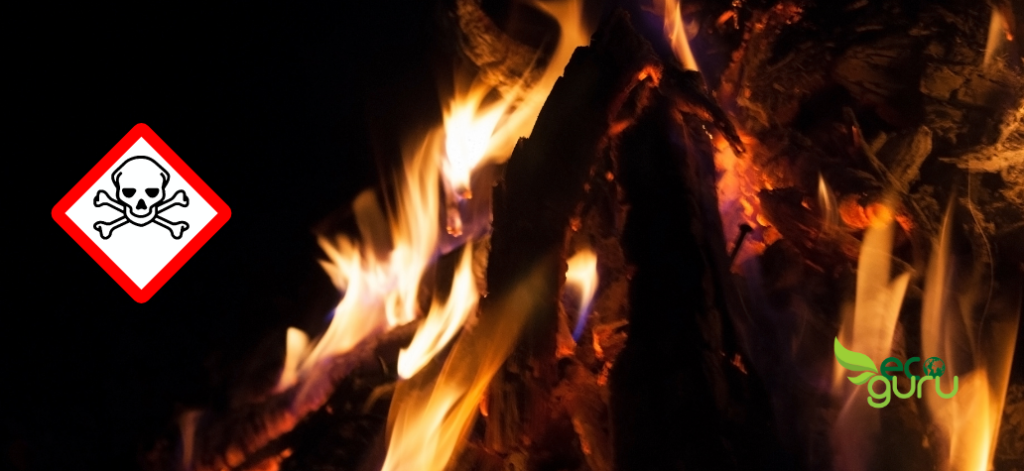
Cooking fuel like wood, charcoal, and cow dung is among the largest contributor to indoor air pollution.
You might not have to worry about this as you probably are a city dweller who has been using an LPG cylinder for your entire life. But in rural India, over 60% of people still use wood, charcoal, and cow dung as cooking fuel.
These cooking fuels perform incomplete combustion that releases PM2.5 into the air. Which is amongst the most harmful air pollutants that are very harmful to the lungs.
Efforts are being made to make people switch to cleaner fuels like LPG. The Indian government’s Ujjwala scheme is the right step in this direction to make people switch to LPG.
By promoting safer fuels like LPG significant reduction in indoor air pollution can be achieved. As cooking fuel is the biggest contributor to indoor air pollution.
#2. Non-Stick Cooking Pans With Teflon Coating
The Teflon coating cooking pans have become popular lately and almost every household has them. Generally, Teflon is safe to use and cook food.
But the problem arises if you heat it for over 300°C. At this temperature, the Teflon compound breaks down to release harmful chemicals and gases.
There is a straightforward solution to this problem. Never pre-heat an empty Teflon pan and avoid using it over extremely high heat. As an alternative, you can also use ceramic pans that don’t use the Teflon coating.
#3. Vacuum Cleaners
Yes, you read it right, the vacuum cleaners the very thing used for cleaning the house is polluting the indoor air of your house.
An American Chemical Society study in 2012 revealed that many vacuum cleaners, especially the old ones, suck in the dirt, dust, and bacteria from the floor, and throw it back into the air.
This essentially means that some vacuums, instead of making things cleaner, spread more dirt. The same logic can also apply to brooms as well. The brooms spread some dust into the when we clean them out from the ground. Which might then go into the respiratory system of the people.
You can simply avoid this problem by using the latest vacuum cleaners with High-Efficiency Particulate Air (HEPA) filters.
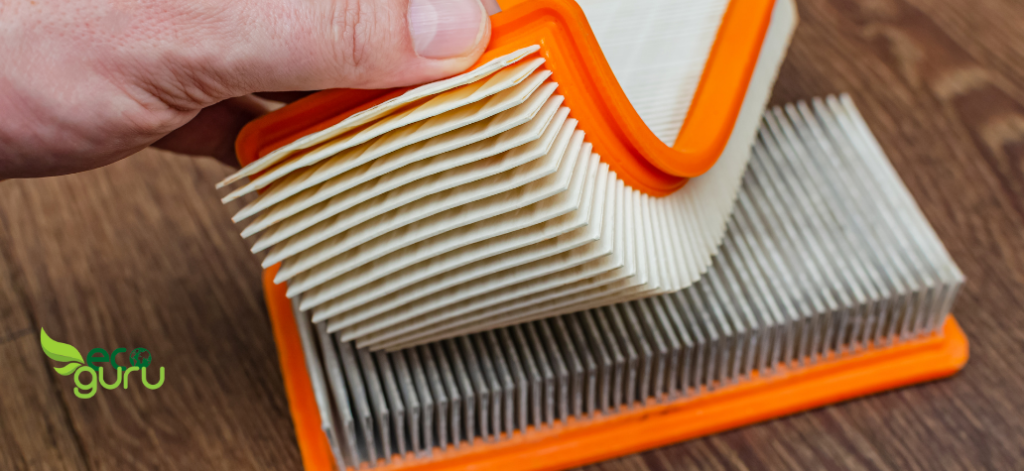
When you buy a vacuum cleaner, check whether it has the HEPA filter or not. These filters are highly efficient and can capture 99.9% of dirt, dust, and bacteria.
#4. Paints
The paint that you used to decorate your house can contribute to indoor air pollution especially when it is wet.
As the paint dries, the chemicals that kept it in liquid form evaporate. Resulting in the very familiar smell of the fresh paint. The evaporation of liquid ingredients releases paint fumes that contain harmful volatile organic compounds (VOCs). These VOCs that evaporate at room temperature can cause many adverse effects on health.
VOCs can cause respiratory problems, headaches, nausea, and your central nervous system may also be affected. Pregnant ladies, children, old age people, and pets are at higher risk of suffering from inhaling the VOCs.
You can simply avoid your exposure to VOCs by buying paints that don’t have VOCs. There are many companies out there selling non-VOC paints. Additionally, you can ensure that you keep the windows open until the paint dries and also keep the unused paint cans sealed tightly to prevent chemical leakage.
#5. Mosquito Coils, Candles, And Incense Sticks
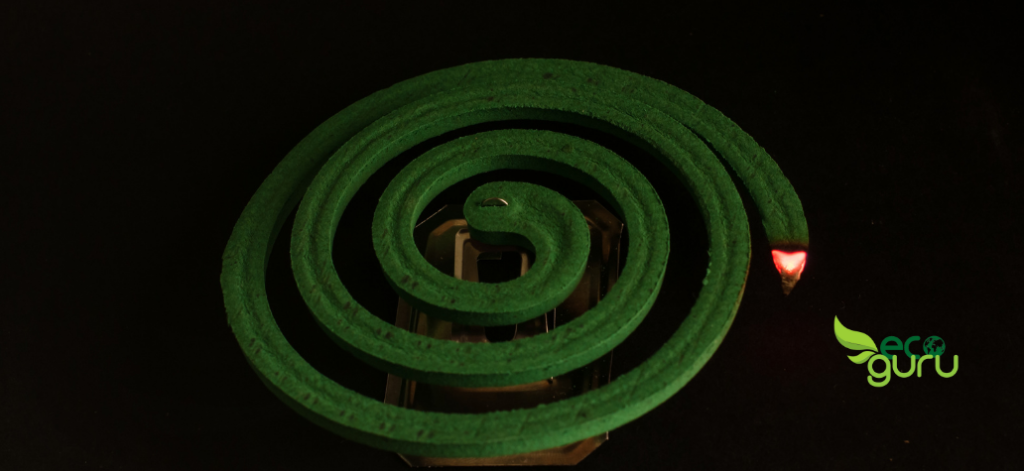
Mosquito coils, candles, and incense sticks are the most common sources of indoor air pollution. This source of indoor pollution is difficult to avoid, as we Indians commonly use these in our households.
When incense sticks or mosquito coils burn the combustion is not fully complete and it releases unburnt soot particles and harmful gases into the air. Which is very harmful to our lungs and can cause serious health problems.
The same things happen with hookahs and cigarettes but they release more harmful chemicals than incense sticks. But if smoked indoors, it also affected the health of all the people in that house as the smoke from the cigarette spreads all over the house. It’s called Second-Hand smoking.
Also, when the ash residue from smoking falls on the furniture, it can stay there for many days and release harmful gases. This is called thirdhand smoke which is also as harmful as secondhand smoke.
The potential solution to avoid this indoor air pollution source must ensure that you keep the windows open to ensure proper ventilation.
How To Avoid Indoor Air Pollution?
The easiest way to avoid indoor air pollution is to avoid using the most polluting sources of pollution as advised above. Apart from that, ensure that there is proper ventilation in your house and you get direct sunlight in your house.
Let’s get started by understanding the importance of ventilation and sunlight.
Importance of ventilation
Ventilation is referred to the process of letting in clean outdoor air and removing stale indoor air. The ventilation can be done simply by opening the window or using sophisticated methods like air conditioning, air recirculation, or air infiltration.

Now moving back to why is ventilation important?
#1. Reduces The Indoor Impurities
Good ventilation will help you in expelling the pollutants, bacteria, unpleasant odors that build up in the building that is completely sealed or insulated.
#2. Reduce Moisture
Condensation of moisture in your indoors can cause the build-up of molds and increase humidity levels. These conditions can cause many health issues, like allergic reactions or respiratory problems. Good ventilation can help avoid any such problem.
#3. Reduces Indoor Temperatures
A well-ventilated room will make the room more comfortable by reducing the indoor temperatures with no air conditioning.
#4. Health Benefits
A good ventilation system has a positive impact on your health. Indoor air pollution along with poor ventilation can cause many health issues like headaches, allergic reactions, asthma, rashes among other issues.
After ventilation, another important weapon against indoor air pollution is the sunlight.
Importance Of Sunlight

Natural sunlight is good for your health and can help in a better quality of life with improved mood, less fatigue, and reduced eye strain.
This recently published study in Microbiome journal proves that sunlight also helps in killing the bacteria that live in dust. This study showed that the rooms with natural sunlight coming in had half the number of bacteria as rooms exposed to complete darkness. This proves that sunlight can kill many harmful dust-dwelling bacteria and improve indoor air quality.
The sunlight also helps in reducing the humidity levels, as increased humidity can result in the build of molds and other bacteria.
Wrapping Up
Indoor air pollution is a silent killer that might be unaware of. Indoor air can easily get polluted because of polluting cooking fuels, old vacuum cleaners, or paints. The simple solution for indoor air pollution is proper ventilation of the house. This ensures that all the stale air is removed and replaced with fresh clean air.
Check out the list of indoor plants here, these plants can help you in reducing the toxins from the indoor air.


Comments
1 Comment
[…] Top 5 Source Of Indoor Air Pollution […]
Comments for this post are closed.