

Top 6 Types Of Renewable Energy Sources
Have questions about different renewable energy sources available out there?
You are in the right place to help you find out all the renewal energy sources available.
Let’s get started with understanding renewable energy sources.
What Is Renewable Energy Source?
A renewable energy source is a sustainable source of energy that is endless and can’t run out. They also referred to the renewable energy source as an alternative energy source.
The renewable energy source provides you with clean energy by reducing the dependence on non-renewable energy sources like coal and gas. Renewable energy sources help in reducing your carbon footprint by producing clean energy.
Types Of Renewal Energy Sources
There are roughly 6 types of renewal energy sources being commercially used around the world, which are as follows.
- Solar energy
- Wind energy
- Hydro energy
- Tidal energy
- Geothermal energy
- Biomass energy
#1. Solar Energy
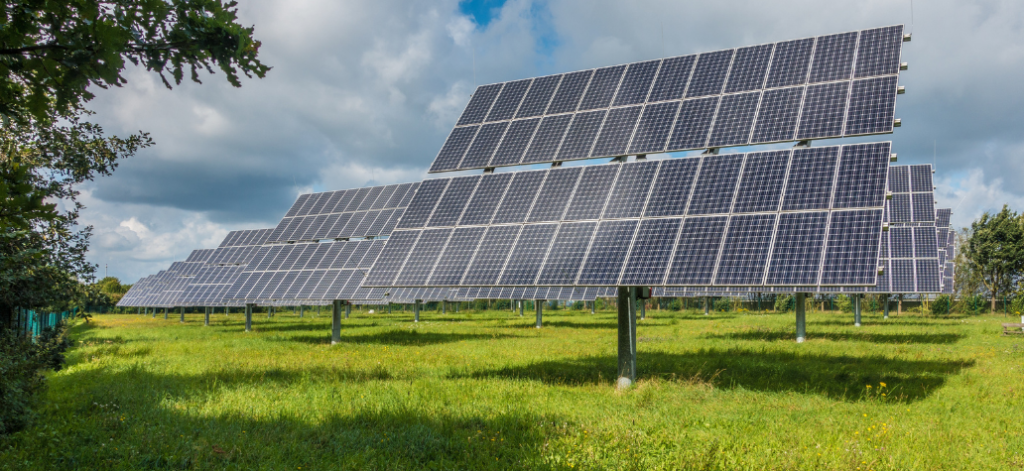
Sunlight is the most abundant source of energy that is freely available. The energy Earth receives from the sun is 10,000 times more than the total energy demands of this entire planet. This freely available energy can be converted to electrical energy using solar PV cells or solar panels.
Benefits of Solar Energy
- Freely available abundant energy source.
- Highly reliable energy source.
- No pollution caused while producing electricity.
- Helps you reduce electricity bills by installing rooftop systems to produce your own electricity.
- Diverse applications ranging from producing electricity to heating water.
Read more here about 5 reasons to harness solar energy.
Challenges of Solar Energy
- The high initial cost of setting up the system.
- The efficiency of solar energy systems drops when it is cloudy or rainy.
- Works only during the daytime.
- Energy storage is expensive, you need to consume it as it is produced.
- Needs lots of space to install PV panels to collect sunlight.
Check out the solar-based water heater here, solar-based outdoor lights here, and other products here.
#2. Wind Energy
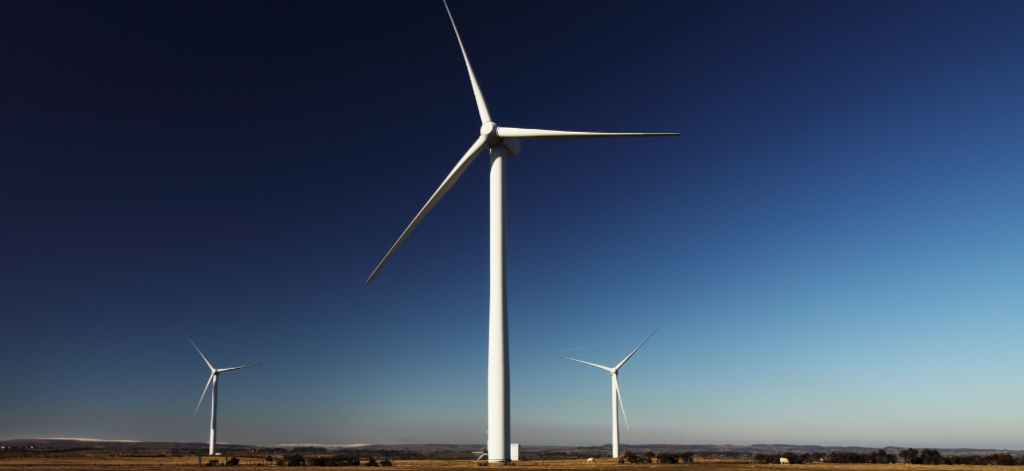
Wind energy is a clean renewable energy source that uses wind turbines to generate electricity. Wind power is amongst the popular and sustainable renewable energy sources with much less impact on the environment compared to fossil fuels. Wind energy is mostly produced in wind farms, comprising many individual wind turbines connected to a power grid. Wind energy production system for domestic use is available but are not that popular.
Benefits of Wind Energy
- It is a cost-efficient renewable energy source among the renewable energy sources.
- Wind energy is a clean energy source that doesn’t pollute like fossil fuels.
- It is a sustainable and reliable form of energy.
- The wind farms can be built on existing farms by on utilising the fraction of land without disturbing the land use.
Challenges of Wind Energy
- The wind turbines can cause noise pollution with the movement of the turbine blades.
- The wind turbines have a visual impact on the surroundings, with lots of wind turbines in a location the look of landscape might change.
- Wind turbines can impact the local wildlife. As birds might get killed after crashing into the wind turbine blades.
- Good lands for wind farms are often far away from the cities where electricity is needed, that adds to the costs of electricity production.
#3. Hydro Energy
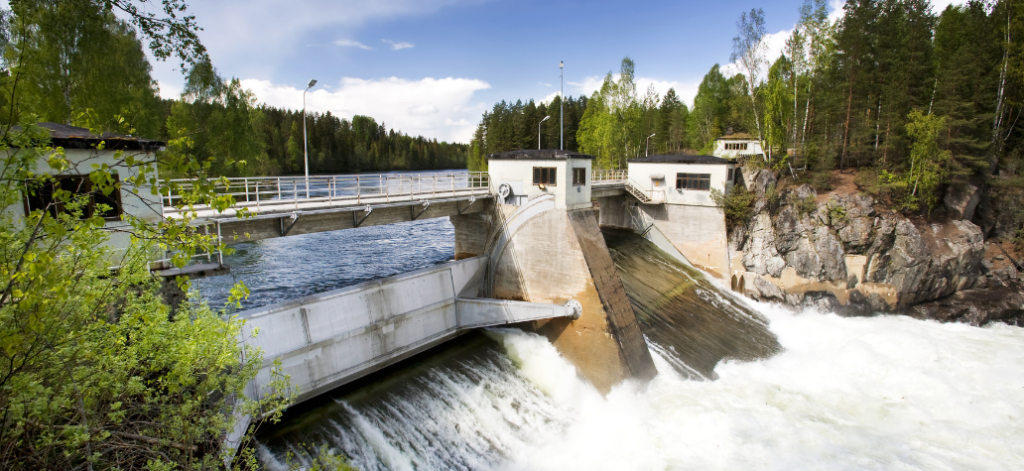
Hydro energy is electricity produced by harnessing the water in motion as a power source. Hydro energy is also known as hydroelectric energy, hydroelectric power, hydroelectricity. This is one of the oldest forms of energy production. People have been using the flowing water to turn the wheel for their mill to make flour from wheat.
Hydropower is one of the most commercially developed renewable energy resources. To harness energy from water dams or barriers are built to create large reservoirs. Then the flow of the water is controlled to drive turbines that help generate electricity.
Benefits of Hydro Energy
- The hydro energy is more reliable than solar or wind energy.
- Most viable and cost-efficient energy source compared to other renewable energy sources.
- Hydro power plants can provide power to the power grids immediately when required.
- Flexible and reliable form of power backup.
Challenges of Hydro Energy
- Dams can damage the natural flow of water in the rivers and effect the routes of migratory fish.
- Creation of dams can displace the communities from regions where reservoirs are being created.
- It is expensive to set up a hydro energy plant.
#4. Tidal Energy
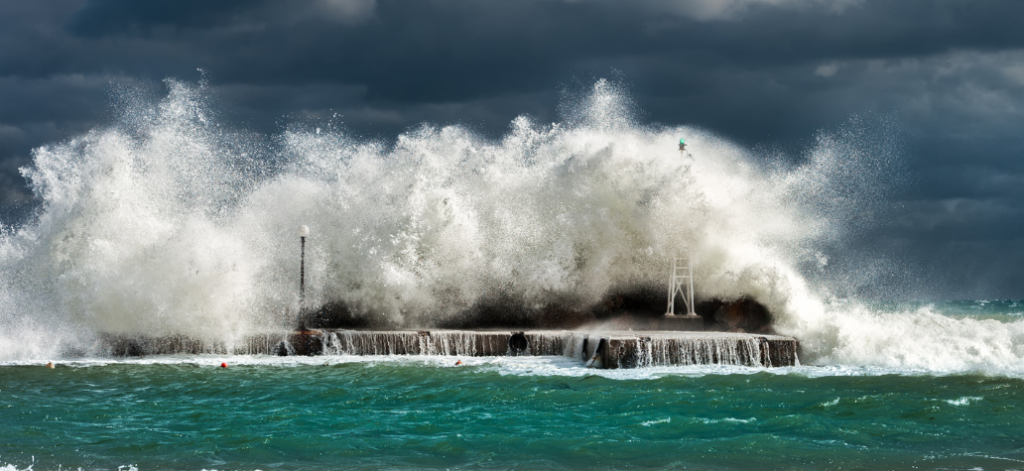
Tidal energy is a form of hydro energy as it generates electricity using the movement of water. Using tidal energy, the electricity is produced by driving the turbine with twice-daily tidal currents. The energy produced using the tides is not constant, but highly predictable.
Benefits of Tidal Energy
- The tidal energy is more predictable.
- Power generation using water is far more than wind energy for same size of turbines.
- Highly effective in producing electricity even at low speeds.
- It uses a limited space to produce electricity.
Challenges of Tidal Energy
- Being a new developing technology, it is very expensive to set up.
- Plants need to be setup near the land for easier energy transmission.
- Limited suitable locations to set up the tidal energy plants.
#5. Geothermal Energy
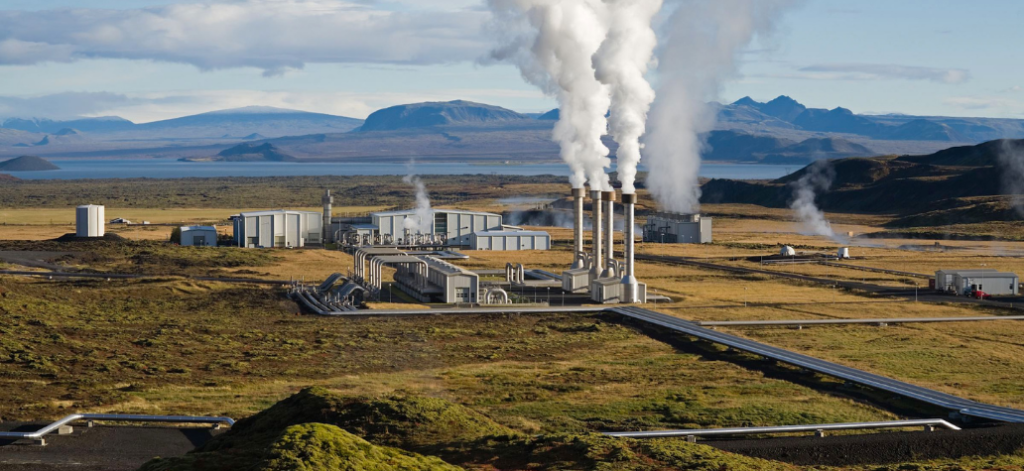
Geothermal energy works on the idea of harnessing the heat below the earth’s surface. Geothermal energy can heat your homes or generate electricity. Geothermal energy is one of the stable forms of energy with the potential of matching the electricity needs of the entire planet.
Benefits of Geothermal Energy
- Creates lot less pollution compared to other energy sources.
- Renewable and highly sustainable energy source.
- Highly reliable and dependable renewable energy source.
- Great for meeting heating and cooling needs of houses and buildings.
Challenges of Geothermal Energy
- Expensive to setup
- Construction of geothermal plants can trigger earthquakes.
#6. Biomass Energy
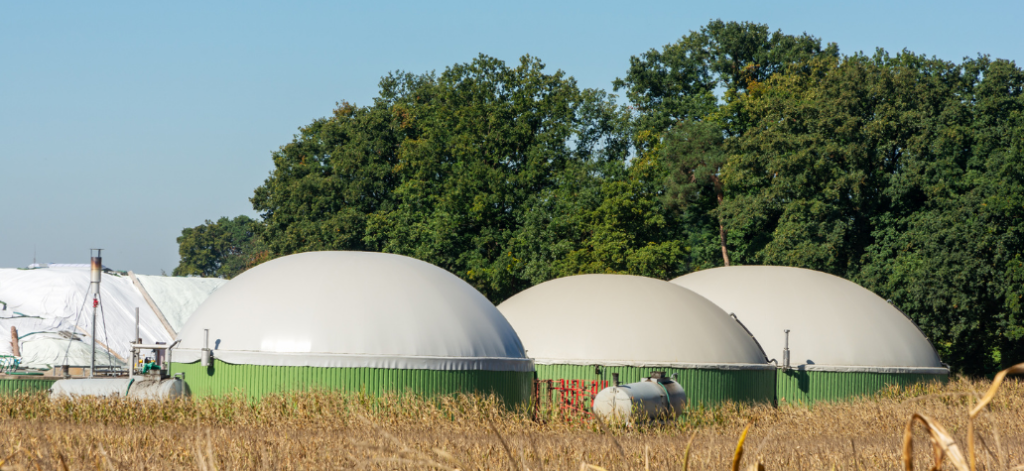
Biomass energy is energy produced by converting agricultural, industrial, and domestic waste into solid, liquid, and gas fuels. Biomass energy involves burning organic waste to produce electricity but it is a much cleaner and energy-efficient process. Biomass energy helps generate power at a lower economic and environmental cost.
Benefits of Biomass Energy
- Clean and energy efficient process of generating electricity from biomass waste.
- Converts agriculture, industrial and domestic waste into electricity.
- Fewer greenhouse gases emission while burning of biomass.
- Generates electricity at lower costs.
Challenges of Biomass Energy
- Biomass has lower energy density than fossil fuels. It could have as much as 50% of water that could be lost during the energy conversion process.
- Biomass burning also releases greenhouse gases, which, if not captured, can cause damage to the environment.
The Future
The demand for energy is increasing with every passing day and so is the awareness about the harms of fossil fuels. This has led to increased demands and investments in renewable energy sources.
This ensures that the future is bright for further development of renewable energy sources. As more investments are made, cheaper and more viable energy sources become available to the masses.
Renewable Energy Development Agency In India
The Government of India has a dedicated ministry to work on renewable energy sources. The ministry of new and renewable energy works to set up renewable energy source plants and invest in new energy sources. It works on encouraging the adoption of renewable energy sources by the masses by providing subsidies.
Check out the website of the Ministry of new and renewable energy here.
Under this ministry, there are several institutes and agencies working to develop and encourage the adoption of renewable energy sources.
Here you can find the list of institutes and agencies under the ministry of new and renewable energy.
- National institute of solar energy
- National institute of wind energy
- SSS National institute of Bio-energy
- Indian renewable energy development agency limited
- Solar energy corporation of India limited
- Association of renewable energy agencies of states (AREAS)
State Agencies
Different state agencies working for renewable energy
- AP State Load Dispatch Centre
- Assam Energy Development Agency
- Bihar Renewable Energy Development Agency
- Chhattisgarh State Renewable Energy Development Agency
- Energy Efficiency & Renewable Energy Management Centre, Delhi
- Gujarat Energy Development Agency
- Haryana Renewable Energy Development Agency (HAREDA)
- Directorate of Energy (DOE), Himachal Pradesh
- Jammu & Kashmir Energy Development Agency
- Jharkhand Renewable Energy Development Agency
- SLDC, KPTCL, Karnataka
- ANERT, Kerala
- MP Urja Vikas Nigam Limited Bhopal
- Meghalaya Non-Conventional & Rural Energy Development Agency (MNREDA)
- Mizoram Energy Development Agency
- Department of New & Renewable Energy, Govt. of Nagaland
- Orissa Renewable Energy Development Agency
- Renewable Energy Agency Pondicherry (REAP)
- Punjab Energy Development Agency
- Rajasthan Renewable Energy Corporation Limited
- Tamil Nadu Transmission Corporation Limited TANTRANSCO State Load Despatch Centre
- Telangana State Agency(SLDC)
- Tripura Renewable Energy Development Agency
- Uttar Pradesh New & Renewable Energy Development Agency, U.P. (UPNEDA)
- Uttarakhand Renewable Energy Development Agency (UREDA)
- West Bengal State Load Despatch Centre


Comments
Comments are disabled for this post