

What is Regenerative Agriculture? Top 3 Techniques
Regenerative agriculture involves the adoption of certain farming practices that facilitate an increase in biodiversity in the soil’s organic matter. Unfortunately, the current agriculture practices are harmful to the soil’s ecosystem. Even organic farming practices need to be improved to achieve better soil health.
This is where regenerative agriculture comes into the picture by helping reverse the damage inflicted upon soil and promoting a positive impact.
The regenerative agriculture practice depends on multiple factors that include the type of land being cultivated. Every land would require a tailored approach to achieve regenerative results for the soil.
There exist several methods for practicing regenerative agriculture. But for the purpose of this discussion, let us concentrate on three primary techniques.
- No-Till Farming
- Regenerative Grazing
- Agro-forestry
These practices are commonly used in regenerative agriculture and have been proven to be effective in improving soil health and increasing biodiversity.
Let’s now move ahead, to find out how each technique works.
#1. No-Till Farming
The soil is naturally full of multiple organisms that can help the plants to grow without the need for chemicals. These organisms help in converting the nitrogen into the form that is usable by the plants. Organisms, also, help in bringing water to the plants that would be out of reach otherwise. Other organisms like worms help in loosening and aerating the soil which increases water absorption. This also allows plant roots to penetrate deeper into the soil.
But when soil tilling is done by machines all these organisms get killed. And crops have to rely on chemical fertilizers to grow. And these chemical fertilizers can leach into the ground and pollute the groundwater.
So, the main idea behind no-tilling farming is instead of tilling the soil, let the worms aerate the soil and bring the nutrients. You should keep the soil covered with an organic mulch that breaks down over time and adds more organic matter to the soil. Making it more fertile and sustainable in the long run.
#2. Regenerative Grazing
Cattle raising has many environmental consequences including the release of methane by cattle and the clearing of forests for creating pasture land for cattle. The problem is not of grazing animals but the practices that are followed result in excessive environment-impacting results.
If the right practices are followed for grazing, it can help in reducing the enormous amount of carbon that is released into the atmosphere. Even the process of desertification can be reversed by following the process of regenerative grazing.
Let’s get deep into understanding the process of regenerative grazing.
The growth of grass tends to start slow then speed up and then slow down again. This middle area is where the grass has the most biomass. And if the grass is eaten before it gets to this point then the growth will never speed up.
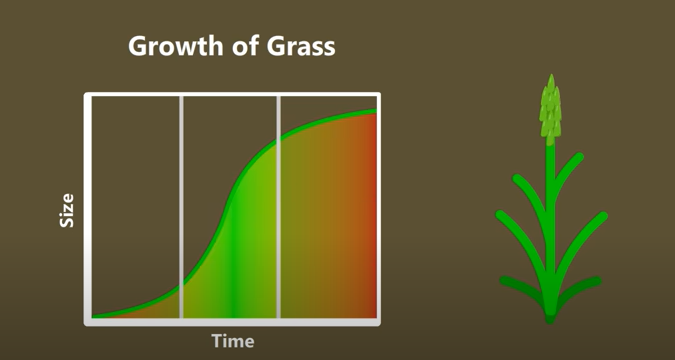
This is what keeps on happening traditionally with grasslands. The grass doesn’t get a chance to grow back fast enough before it is eaten away again. This is when overgrazing happens which leads to soil erosion and other related issues like drought and desertification.
But if we keep the animals in tightly packed herds like they used to be in nature. And restrict their grazing to certain areas of the grassland. Then the grass gets the time to grow before being eaten away by the animals.
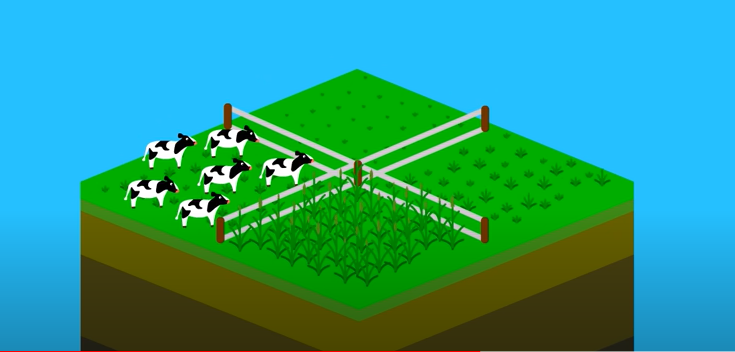
The biomass in the grass is carbon that is collected from the air. All of the biomass is not eaten by animals and a lot of it gets crushed by the animals or their waste. This helps create the perfect condition for the new topsoil to build and this happens quickly.
This overall process helps in reducing the carbon in the air and improving the soil quality while saving it from overgrazing and desertification.
#3. Agro-forestry
Agro-forestry is a little complicated and location dependant practice. To implement agro-forestry you need to start by first observing the local forest and its relation with the whole ecosystem. Understand the relationship between everything in the forest be it plants, animals, or fungi that is there in the soil and water.
After you develop an understanding of the whole ecosystem of the forest you have to recreate this relationship in a different plot of land. Recreating this ecological environment in your backyard will produce more food. And you will have your very own food forest.
The food forest comprises seven layers
- Root layer
- Ground Layer
- Herb Layer
- Shrub Layer
- Low tree layer
- Vine layer
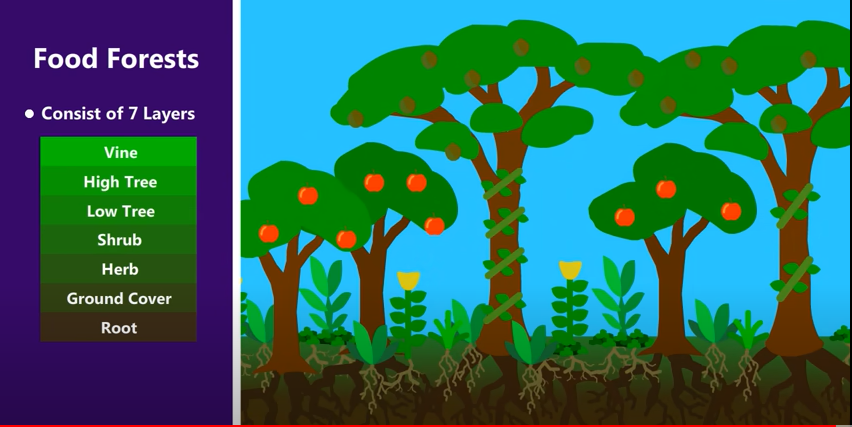
Each layer has its role, it either produces some sort of food or medicine or is helpful to the whole system in some way. The plants in food forests are mostly perennial and should mostly consist of native species.
Conclusion
Regenerative agriculture is a sustainable and holistic approach to farming that focuses on improving soil health and biodiversity. It involves the adoption of practices like no-till farming, regenerative grazing, and agro-forestry that help in reversing the damage done to the soil and promote a positive impact on the environment.
While each technique requires a tailored approach depending on the type of land being cultivated, they have been proven to be effective in increasing soil fertility, reducing carbon in the atmosphere, and promoting a healthier ecosystem. By adopting regenerative agriculture, we can create a more sustainable future for ourselves and the planet.


Comments
Comments are disabled for this post