

The Role Of Environment In Causing Cancer
Cancer has become more common than ever lately, the role of the environment in causing cancer is huge. It is a fatal disease caused by a genetic change that alters our cell functioning. Some of these changes can be attributed to natural genetic alteration, however, there are external factors that affect it too.
These factors include the physical activity level, the food we eat, and the environment we live in. Pollution of groundwater by overuse of fertilizers or industrial waste dumping has resulted in a massive surge of cancer cases. Certain regions of Punjab are seeing a massive spike in cancer cases and polluted groundwater is to be blamed for that.
Exposure to a harmful environment can damage the DNA and cause cancer. This includes exposure to chemicals, smoke, or radiation. People can avoid exposure to tobacco smoke and sun rays, but other factors are relatively impossible to avoid. The air we breathe, the water we drink, and even the food we eat are contaminated. Therefore, the only way to escape these carcinogens is to make efforts to improve overall environmental health.
Scientists are studying the link between environment and cancers, and they have verified the association in many studies. While these studies do not rule out other risk factors, they have confirmed that environmental pollutants can increase the risk of cancer. According to data revealed by the International Agency for Research on Cancer (IARC), lung cancer caused by air pollution resulted in 223,000 death in 2010. It was also suggested that it increased the risk of bladder cancer too.
The Common Carcinogens Found in Air
Previously, the IARC had classified pollutants like diesel engine exhaust, solvents, metals, and dust as carcinogens. The latest pollutant in the outdoor air to join the list is known as particulate matter. It can be defined as a combination of very minute solid particles or liquid droplets that are suspended in the air. It can include dust or smoke, and even chemicals.
According to the National Toxicology Program’s 14 Report on Carcinogens, the substances classified as carcinogens that adversely affect human health include Aflatoxins, Arsenic, Asbestos, Aristolochic Acid, Benzene, Benzidine, Beryllium, 1,3-Butadiene, Cadmium, Coal Tar and Coal-Tar Pitch, Coke-Oven Emissions, Crystalline Silica (respirable size), Erionite, Ethylene Oxide, Formaldehyde, Hexavalent Chromium Compounds, Indoor Emissions from the Household Combustion of Coal, Mineral Oils: Untreated and Mildly Treated, Nickel Compounds, Radon, Secondhand Tobacco Smoke (Environmental Tobacco Smoke), Soot, Strong Inorganic Acid Mists Containing Sulfuric Acid, Thorium, Trichloroethylene, Vinyl Chloride, and Wood Dust.
The Predominant Sources
As per an IARC report, the cancer-causing substances that affect human health mostly come from sources like transportation, stationary power generation, industrial and agricultural emissions, and heating and cooking in the homes. The carcinogens enter the human body not only via air but also via water and food. Food and water, when exposed to harmful substances, get contaminated and subsequently, have a negative effect on human health.
What Is The Solution To Envrioment Causing Cancer?
Environmental pollution has been one of the major causes of cancer for decades and despite the awareness, it is getting worse. While more research is underway, we have enough evidence that links the quality of our surroundings to cancer. The only solution to this problem is to start making efforts to improve the environment we live in. Here are a few tips to get you started:
- Reduce the usage of ACs, refrigerators, and microwave ovens.
- Watch the quality of water you come in contact with.
- Eat fresh and organic food.
- Plant more trees.
- Live in less crowded areas with natural surroundings.
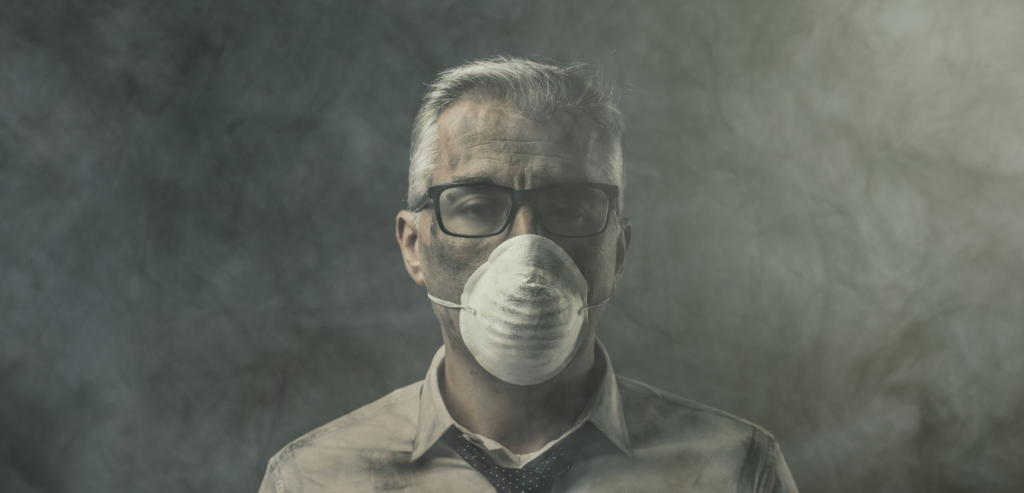
- Stay away from polluted areas and if you must go there, use adequate precautions like wearing masks.
- Increase your physical activity.
- Do not use vehicles for short distances and prefer public transport.
- Lastly, do whatever you can to save the environment.
Read more about the effects of the environment on your health here.


Comments
1 Comment
[…] Cancer is caused by more than one factor and the environment has a huge part to play in it. Exposure to pollutants, radioactive substances, UV rays, harmful gases, etc. can result in cancer of various types. It has become a huge health concern in the world of late and doctors suggest healthier and hygienic environmental conditions as a solution to it. Read more here. […]
Comments for this post are closed.